
Last updated November 25, 2026








Free written scope consultation - allowances, timeline, and change-order rules on paper before a single trade is scheduled
Seasonal Construction Care for Kent: Year-Round Homeowner’s Guide
Here’s a pattern that surprises a lot of Kent homeowners: contractors who do exterior work here are often booking their project slots in February, not April. It isn’t because spring weather is better. It’s because the homeowners who call in May have already watched the dry-weather window shrink to a few weeks, and they’re now competing for the same short stretch of reliable sunshine. Kent doesn’t run a clean four-season calendar. It runs a wet-dry-wet pattern: moisture from October into spring, a fleeting dry window in July and August, then rain again. Most of the damage your home takes happens in that first wet stretch, and most of it is preventable if you know when to act. This guide walks through what to check, when to schedule it, and how to protect a home that’s mid-remodel.
Quick Answer
In Kent, the year splits into three useful windows: October through November is your last chance to seal, caulk, and repair anything exposed before the long wet season; February through March is when a pre-spring inspection catches crawlspace, gutter, and foundation problems before spring rains compound them; and the six to eight weeks of reliable dry summer weather from roughly July into August is when moisture-sensitive work like hardwood flooring, exterior painting, and deck board replacement has to happen. Interior remodels fit comfortably into the wet months, which is exactly when many Kent kitchens and bathrooms get scheduled.
Styles & brands we work with
- Kitchen remodeling
- Bathroom remodeling
- Home additions & ADU
- Roofing
- Windows & doors
- Driveway & pavers
- Fence
Table of Contents
- Why October – November Is Your Last Real Window
- The February – March Pre-Spring Inspection
- Using Kent’s Dry Summer Window Well
- Fall and Winter Interior Remodel Scheduling
- What Winterizing Means During an Active Remodel
- Choosing Materials That Handle Wet-Dry Cycling
- Kent Seasonal Care Calendar at a Glance
- Common Mistakes to Avoid
- When to Call a Professional
Why Kent’s October – November Window Is Your Last Real Chance
Once the fall rains settle in, exterior work gets expensive and unpredictable. Caulk won’t cure properly on a wet substrate. Deck sealant needs dry wood to bond. Roof repairs become a scramble between storms. That’s why the short stretch from early October to mid-November matters so much in Kent: it’s the last reliable dry stretch before the moisture season locks in for the next five months. Miss it, and the small gaps you ignored turn into the water intrusion you’re dealing with in January.
Here’s what deserves attention in that window:
- Exterior caulking. Check the joints around windows, doors, corner trim, and where siding meets foundation. Any cracked or pulled caulk is a direct path for water. Re-caulking on dry wood lasts; re-caulking on saturated wood peels within weeks.
- Deck sealing. A deck in Kent sees more wet-dry cycling than almost anything else on the property. Sealing in fall protects the boards through the months they’ll be wettest and least used.
- Roofline repairs. Loose flashing, damaged shingles, and failed pipe boots are far easier to fix when a roofer can get up there safely and see what they’re doing. In November the window narrows fast.
- Gutter cleaning and re-securing. Full, sagging gutters in Kent push water into fascia and foundation plantings instead of away from the house during the heaviest rain.
- Exterior paint touch-up. Bare wood exposed to constant moisture in the Pacific Northwest breaks down quickly. A spot prime and paint on exposed trim in October can add years to that trim.
If you’re planning exterior painting as part of a broader project, this window is also the sensible time to think about it against a larger scope. We’ve seen plenty of Kent homeowners save themselves a second round of disruption by folding exterior painting into an ongoing home remodeling project rather than treating it as a separate job later.
The key point: this window isn’t about big projects, it’s about maintenance. Small, cheap, timely work in October saves expensive repair work in February. If you’re not sure whether your home needs it, walk the exterior with fresh eyes and look specifically for cracked caulk, soft trim, and staining under the roofline.
The February – March Pre-Spring Inspection Sequence
By late winter, your home has been absorbing moisture for four months. The ground is saturated. That’s why February and March are the ideal time to inspect: any weakness the wet season has exposed is now visible, and you still have weeks to fix it before spring rains send water into places it shouldn’t go. A proper pre-spring walkthrough follows a specific order, from the ground up.
Work through it in this sequence:
- Crawlspace first. Look for standing water, damp soil, efflorescence on foundation walls, and any sign of mold or rot on joists and subfloor. A crawlspace that stays wet through winter is usually the root cause of a lot of “mystery” issues upstairs.
- Foundation perimeter. Check for cracks, and confirm soil slopes away from the house. In Kent’s wet climate, grading that once drained correctly can settle and start directing water toward the foundation.
- Gutters and downspouts. Confirm downspouts discharge well away from the foundation, and check that gutters haven’t pulled loose under the weight of winter debris.
- Attic and roofline from the inside. Look for water staining, daylight through the roof deck, and damp insulation. Interior staining in February almost always traces back to a roof or flashing issue that’s been leaking since October.
- Exterior siding and trim. Check for soft spots, peeling paint, and gaps. This is where moisture-related damage shows up first.
- Windows and doors. Feel for drafts, check weatherstripping, and look for condensation between panes that signals a seal failure.
The reason this sequence matters more in Kent than in a drier climate is that these problems compound. A saturated crawlspace in February leads to cupped wood floors by April. A clogged downspout in February leads to foundation staining by spring. If you’re considering a major project this year, the pre-spring inspection is also a useful moment to line up the work. We handle bathroom remodeling and larger interior scopes through this season, and inspecting first means the project starts from a known baseline rather than a surprise.
How to Use Kent’s Six-to-Eight Week Dry Summer Window
This is the part of the year most homeowners misjudge. Kent’s genuinely dry stretch is short, roughly mid-July into August, and it isn’t a full season. Work that needs consistent low humidity has to be scheduled into this window or it either waits a year or gets done with compromised results. Moisture-sensitive materials are the main concern.
What belongs in the dry window:
- Hardwood flooring installation. Solid hardwood needs to acclimate in the actual conditions of your home, and installing it over a damp subfloor or in high ambient humidity causes the boards to cup, gap, or buckle. The dry window gives the wood the best chance to settle correctly. Our flooring installation work is timed around this, and we check subfloor moisture before any boards go down.
- Exterior painting. Paint needs dry wood and reliable curing temperatures. Painting in the shoulder season often means the finish fails within a year or two because it cured too slowly in damp air.
- Deck board replacement. New boards installed damp can shrink and move once they dry out. Replacing them in the dry window avoids the gap-and-shrink problem.
- Exterior caulking in problem areas. If you missed the October window, the summer dry stretch is your second chance.
- Roof repairs and flashing work. Dry weather means safe access and reliable adhesion for sealants and flashing.
The practical advice: call about exterior projects in February or March, not May. By the time the dry window opens, the slots are already filling. Homeowners who schedule early are the ones who get their projects done in the right weather. The rest either accept a shoulder-season installation or wait. And if a project involves both exterior and interior work, the summer window is often the best time to sequence them so that the exterior gets done while the interior is already in progress.
Why Fall and Winter Are the Smart Time for Interior Remodels in Kent
Here’s an advantage that most Kent homeowners don’t think about: the wet months are the best time to schedule interior remodeling. When the weather outside is inhospitable, interior work proceeds exactly as planned, and there’s a scheduling benefit to boot. Contractors are less booked for exterior work in October through February, and the permit queue for interior projects tends to move faster because the summer rush has passed. If you’ve been thinking about a kitchen or bath remodel, the fall and winter schedule is where the work moves most predictably.
A few practical reasons this window works well:
- Permit timing is friendlier. Interior remodels that require permits often move faster through the queue in the wet months, when inspection and review volume are lower than the summer peak.
- Material lead times work in your favor. Cabinetry and custom surfaces have lead times that reach further into the calendar, so ordering in fall puts installation comfortably inside the wet season rather than pushing into spring.
- No weather dependency. The work doesn’t wait for a dry day. Demolition, reframing, plumbing, electrical, and finish work all proceed on schedule.
- You’re home more. Winter is when homeowners tend to be indoors anyway, so the disruption of a remodel overlaps with the season you were going to spend inside.
Interior remodels in Kent also give you the chance to make material decisions without rushing. This is where brand access genuinely helps. When you’re specifying a kitchen, choosing between KraftMaid and Wellborn cabinetry, or deciding on Cambria versus Silestone quartz, being able to compare real options against a space before committing makes a real difference. In a bathroom, the fixture selection alone – a Kohler or Toto toilet, a Delta or Grohe shower valve, a Blanco sink – is worth planning carefully during the design phase rather than defaulting to whatever’s available. Our kitchen remodeling projects book into the fall and winter because that pacing suits both the material timeline and the permit cycle.
One more scheduling note: if the remodel involves exterior painting as a final step, plan that for the dry window rather than forcing it into a wet month. Sequencing interior work into winter and exterior finish into summer gives you the best of both seasons.
What Winterizing Means During an Active Remodel
A remodel changes the winterizing math. When framing is open, subfloor is exposed, and materials are sitting on site, the standard advice about winter prep doesn’t quite fit. What you’re protecting isn’t just the finished house, it’s the work in progress. In Kent, with months of damp weather, that protection is specific.
Here’s what winterizing actually involves mid-remodel:
- Seal openings. Temporary weatherproofing over open wall sections, window openings, and roof penetrations keeps rain and wind out of the work zone.
- Protect exposed subfloor. A wet subfloor can swell and lose structural integrity before finish flooring ever goes down. Covering exposed areas and checking for moisture before any flooring installation is essential.
- Control humidity inside the work zone. Moisture-sensitive materials, especially wood, absorb ambient humidity. Ventilation and temporary heating keep conditions stable enough that materials don’t take on water before installation.
- Store materials properly. Cabinetry, hardwood, and trim should be stored flat, off the floor, and out of direct contact with dampness. This is why ordering materials to arrive close to installation is often smarter than stockpiling them in a cold garage.
- Keep the building envelope secure. If part of the exterior is off, that section needs temporary protection that holds through wind-driven rain, not just a light shower.
For Kent homeowners, the marine air that moves through the region is a constant factor in this. It’s the reason we check moisture content before we install hardwood or lay out subfloor work, and it’s why exterior painting gets scheduled into the dry window rather than forced into a wet month. Protecting a completed room is straightforward. Protecting a half-finished one takes attention through the wet season, and it’s part of running the job correctly.
Choosing Materials That Handle Kent’s Wet-Dry Cycling
Kent’s climate puts materials through more wet-dry cycling than a lot of the country, and that affects what’s worth installing and where. The materials that hold up best here are the ones designed for moisture exposure: fiber cement siding over wood, tile systems rated for wet areas, and finishes that cure reliably in high humidity. When we plan a remodel in Kent, material selection isn’t just aesthetic – it’s a decision about how the surface will behave after a dozen winters.
What this looks like in practice:
- Exterior cladding. James Hardie fiber cement is a common choice for Kent exteriors because it resists moisture and holds paint reliably in damp climates, which wood siding struggles with.
- Wet-area tile. Bathroom and shower installations depend on the waterproofing beneath the tile more than the tile itself. Schluter tile systems are the standard we work with for that reason – the membrane and drainage layer matter more than the surface.
- Plumbing fixtures. Interior fixtures with solid brass and ceramic components last longer in a region with temperature swings. This is a big part of why brand matters – a Kohler or Toto fixture is built with materials that stand up, and the same holds for Grohe and Delta valves.
- Flooring. Solid hardwood is viable in Kent but needs to be installed with moisture in mind. Engineered and luxury vinyl options handle humidity swings more forgivingly, and the right choice depends on where the floor sits in the house.
The brands we source from are ones you probably already recognize. The point of working with them isn’t the logo, it’s that the installed product carries the manufacturer’s warranty when it’s installed to their spec. That’s the real difference between a finish that lasts and one that fails in two years.
Kent Seasonal Care Calendar at a Glance
Here’s a summary you can pin to the fridge or share with a neighbor. This is roughly how a year of care breaks down in Kent, and it’s the single most useful thing to keep in mind when you’re deciding what to do and when.
- October – November: Last window for exterior caulking, deck sealing, roofline repair, gutter work, and exterior paint touch-up. Book interior remodels for the coming months now.
- December – February: Interior remodel season. Watch crawlspace, attic, and window seals for winter symptoms. Check grading and downspouts after storms.
- February – March: Full pre-spring inspection: crawlspace, foundation, gutters, roofline, siding, doors and windows. Schedule summer exterior work now, before the dry window fills.
- April – June: Address any issues the pre-spring inspection found. Prepare surfaces for summer painting and deck work. Confirm material orders for summer installs.
- July – August: Six to eight weeks of reliable dry weather. Hardwood flooring, exterior painting, deck board replacement, and roof repairs. This window is short – schedule it months ahead.
- September: Transition month. Finish exterior projects, clean gutters, and begin fall maintenance before the wet season returns.
This isn’t a rigid schedule, and a cold or warm year shifts the edges a bit. But the shape of it holds every year in Kent, and planning around it is far more effective than reacting after a problem shows up in February.
Common Mistakes to Avoid
- Waiting until May to call about exterior work. By spring, the best dry-weather project slots are gone. The right time to book is February, when the schedule is still open.
- Caulking in the rain. Caulk and sealant applied to wet surfaces fails within a season. If the wood is damp, wait for the dry window or the summer stretch.
- Installing hardwood in high humidity. Solid wood installed in a damp, unheated space will cup and gap. Flooring belongs in the dry window with the subfloor moisture checked first.
- Ignoring the crawlspace until spring. A wet crawlspace in December turns into rot and insulation failure by March. Check it in the wet season, not after.
- Painting exterior trim in October without checking the forecast. Paint needs cure time, and a cold snap right after application can stop the process. Track the forecast for a stretch of dry, mild days.
- Stockpiling materials in a damp garage. Cabinetry, hardwood, and trim stored in an unheated garage absorb moisture. Get them delivered close to installation or store them indoors.
- Treating the dry window as flexible. Kent’s dry stretch is six to eight weeks, not a full summer. Exterior painting, deck work, and hardwood flooring all compete for the same small window, so plan early.
See the difference
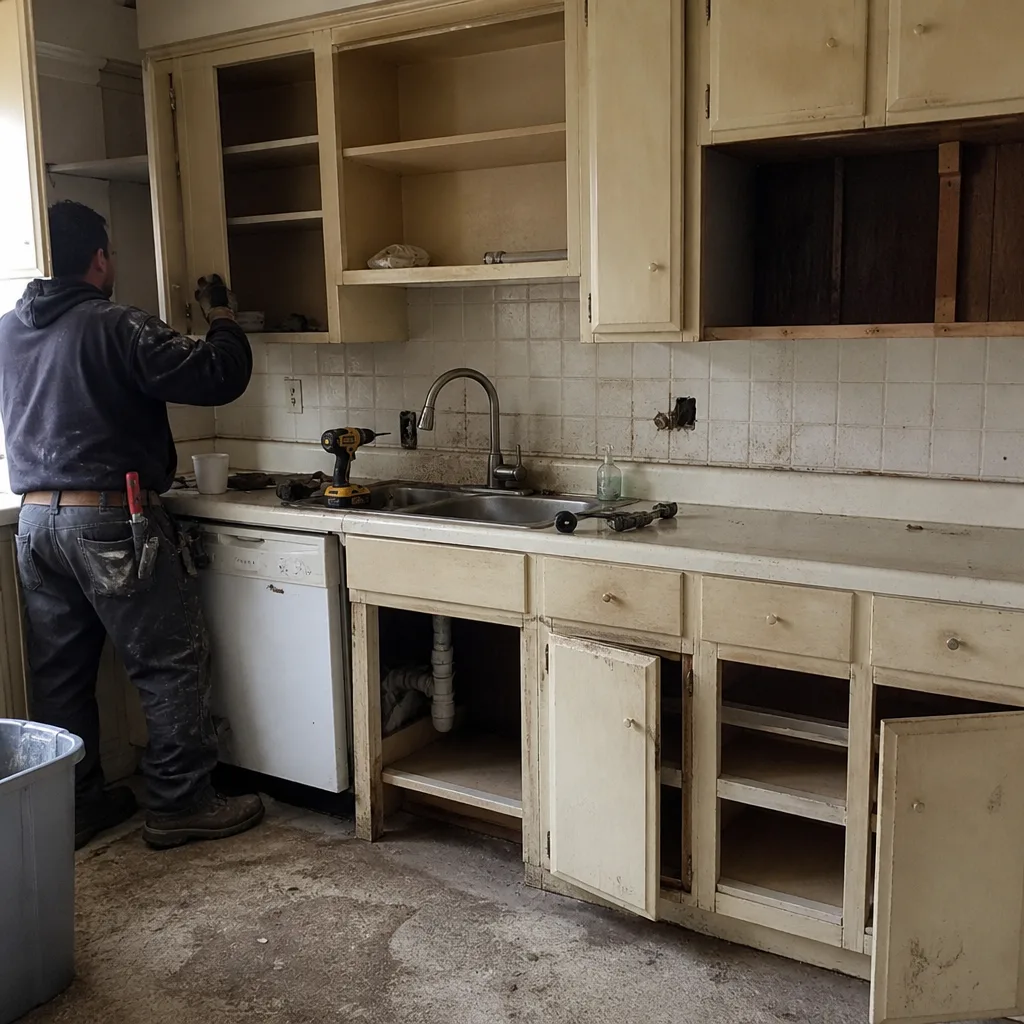 Before
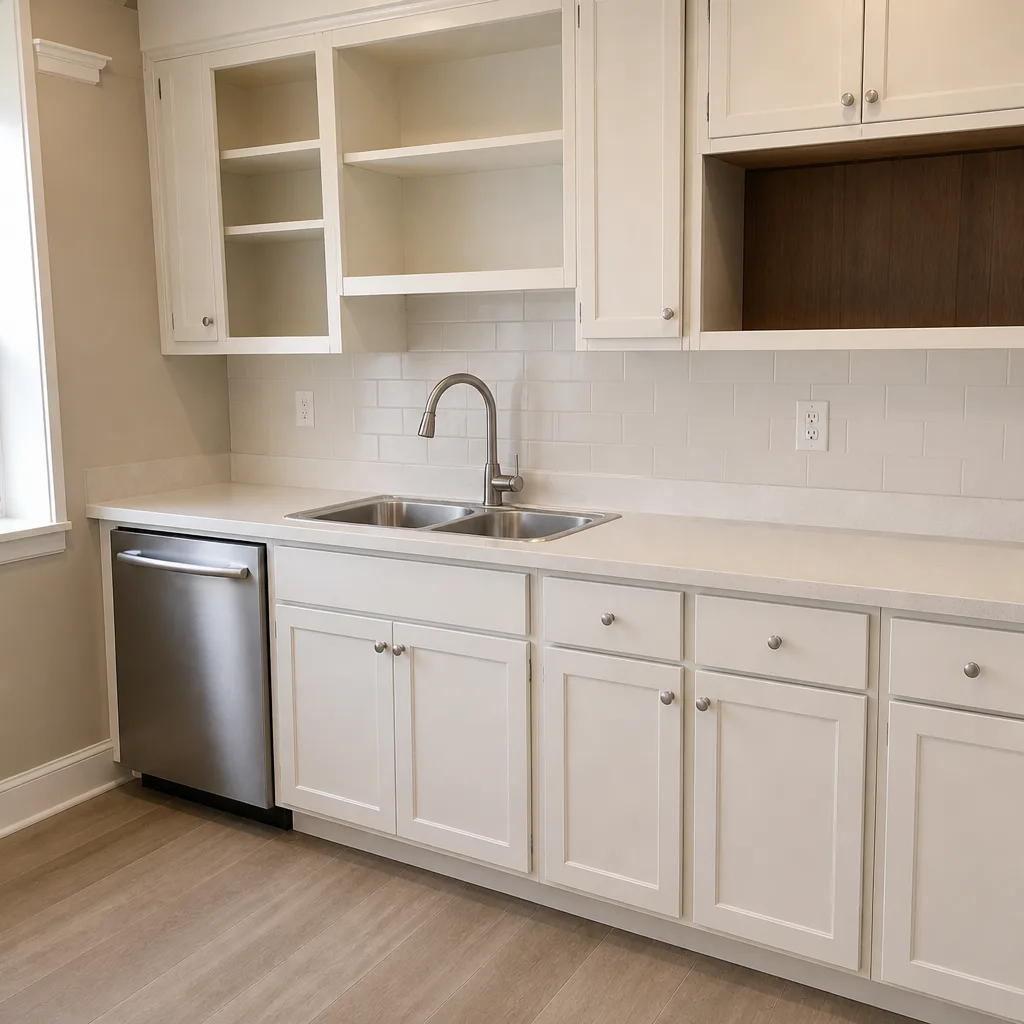 After
 Before
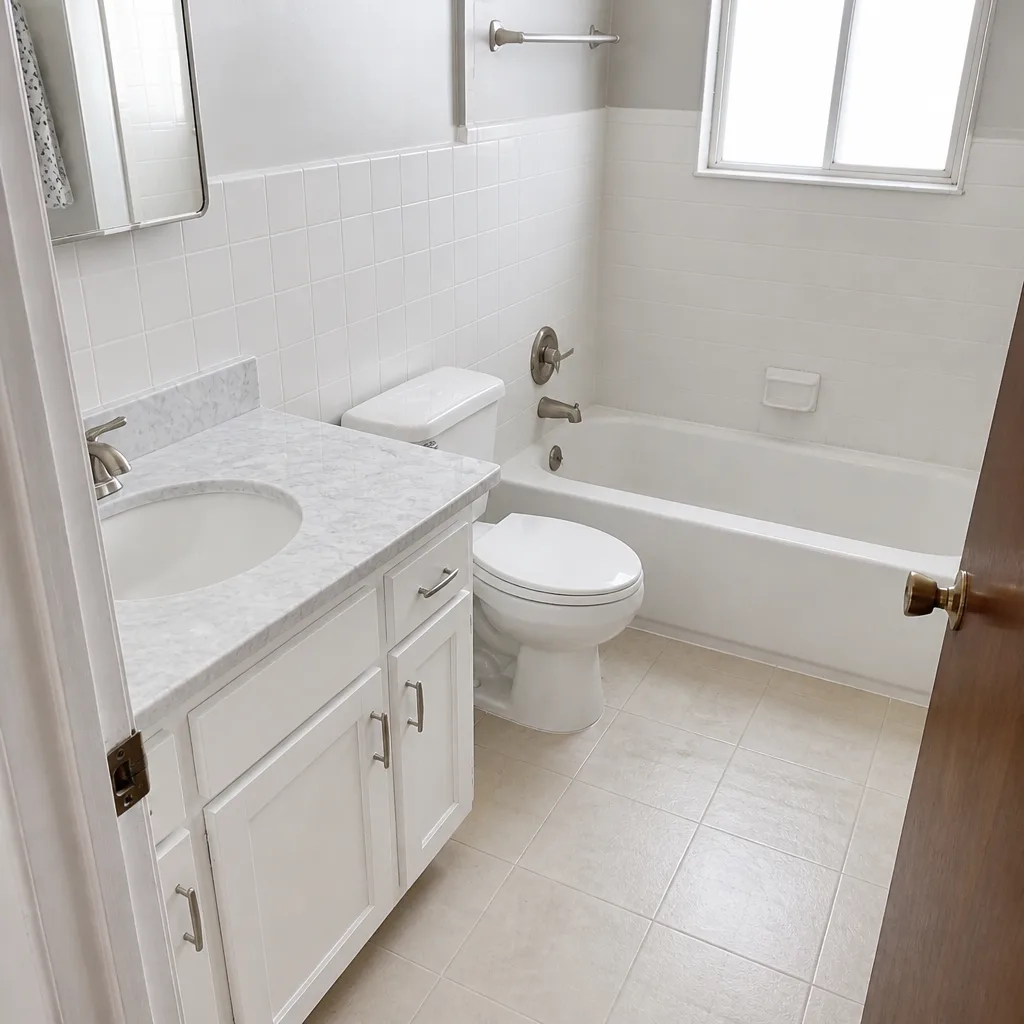 After
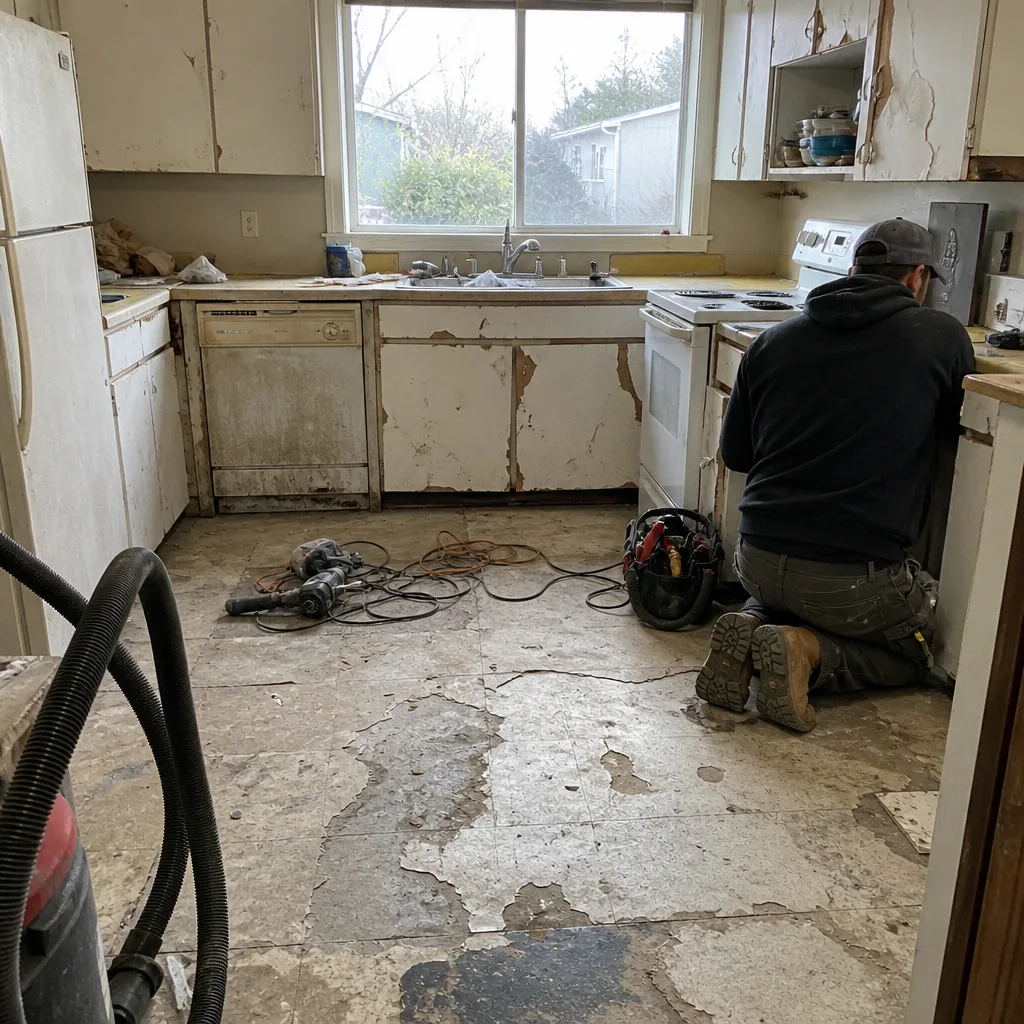 Before
 After
When to Call a Professional
Some of this care is manageable on your own: cleaning gutters, walking the perimeter, spotting cracked caulk. But there’s a point where the job needs a trained eye, and it’s usually before you think it is. Call a professional if you find standing water or soft wood in the crawlspace, if winter staining shows up on a ceiling or wall, if exterior trim is soft to the touch, if a deck board gives underfoot, or if you’re planning a remodel and want the scope, materials, and schedule sorted before the season forces your hand. Those aren’t jobs to DIY in a climate that punishes mistakes so quickly.
Remodeling Kent offers free estimates in Kent, and we help homeowners plan the work around the actual weather window rather than fighting it. Whether you’re lining up bathroom remodeling for the wet months or trying to get an exterior project done before the dry window closes, we can walk the location and give you a clear, specific plan. Call (253) 216-8339. We answer 24/7. Fast dispatch from 7am to 7pm, Sunday through Friday.
Frequently Asked Questions

The most important task is inspecting and sealing your exterior in the October – November window. That’s your last chance to close gaps, seal decks, and repair the roofline before the moisture season locks in for five months. Everything you skip in October usually shows up as a bigger problem in February, when the repair is more involved and the weather is worse. If fall slips past you, the summer dry window is the second chance. Call (253) 216-8339 for an exact quote – estimates are free.
Schedule exterior work in February or early March, even though the work happens in summer. Kent’s dry window is only six to eight weeks, and the best slots fill far in advance. Homeowners who call in May are already behind and often have to accept a shoulder-season installation or wait until the following year. The planning call belongs in late winter, not late spring.
It’s better to wait for the dry window if you can. Hardwood needs dry conditions to acclimate and settle, and installing it in high humidity causes cupping, gapping, and buckling. If your project timing can’t wait, the subfloor should be checked for moisture and the space should be conditioned before installation. Our technicians have up to 15 years of experience with moisture-sensitive installs and can advise on whether your specific conditions are workable.
Yes. Fall and winter are actually a good time for interior remodels in Kent because the wet months don’t interfere with interior work, and the permit queue tends to move faster when the summer rush is over. Material lead times can be planned around the wet season, and you’re indoors anyway. It also means a finished room is ready for spring. See our kitchen remodeling page if you’re planning one.
It means protecting the work in progress, not just the finished house. That includes sealing open wall and roof sections, covering exposed subfloor, controlling humidity inside the work zone, and storing materials flat and off the floor in dry space. The goal is to keep moisture out of materials before they’re installed, because once installed wrong, they fail early. Ask your contractor to walk through this protection plan before winter begins.
Some repair work doesn’t require a permit, and some does. Minor caulking, painting, and gutter cleaning generally don’t, but structural repairs, deck rebuilds, and remodel work usually do. Rather than guessing, call the City of Kent’s building department to confirm before work begins. A contractor who handles permits routinely will know the answer, and it’s worth asking upfront.
The Bottom Line
Kent’s weather doesn’t give homeowners a long summer to get everything done. It gives a wet season that concentrates damage between October and March, a six-to-eight week dry window in mid-summer, and two narrow maintenance windows on either side of the wet months. The homeowners who stay ahead of it are the ones who inspect in February, seal in October, and book their exterior projects before the dry window fills. Interior remodels fit naturally into the wet months, and the best ones are planned with material choices that handle the climate. At Remodeling Kent, we plan projects around the weather rather than against it, and we do it with the brands you already trust. Call (253) 216-8339 for a free estimate and a clear plan for the year ahead.
Written by the team at Remodeling Kent.