Last updated November 25, 2026
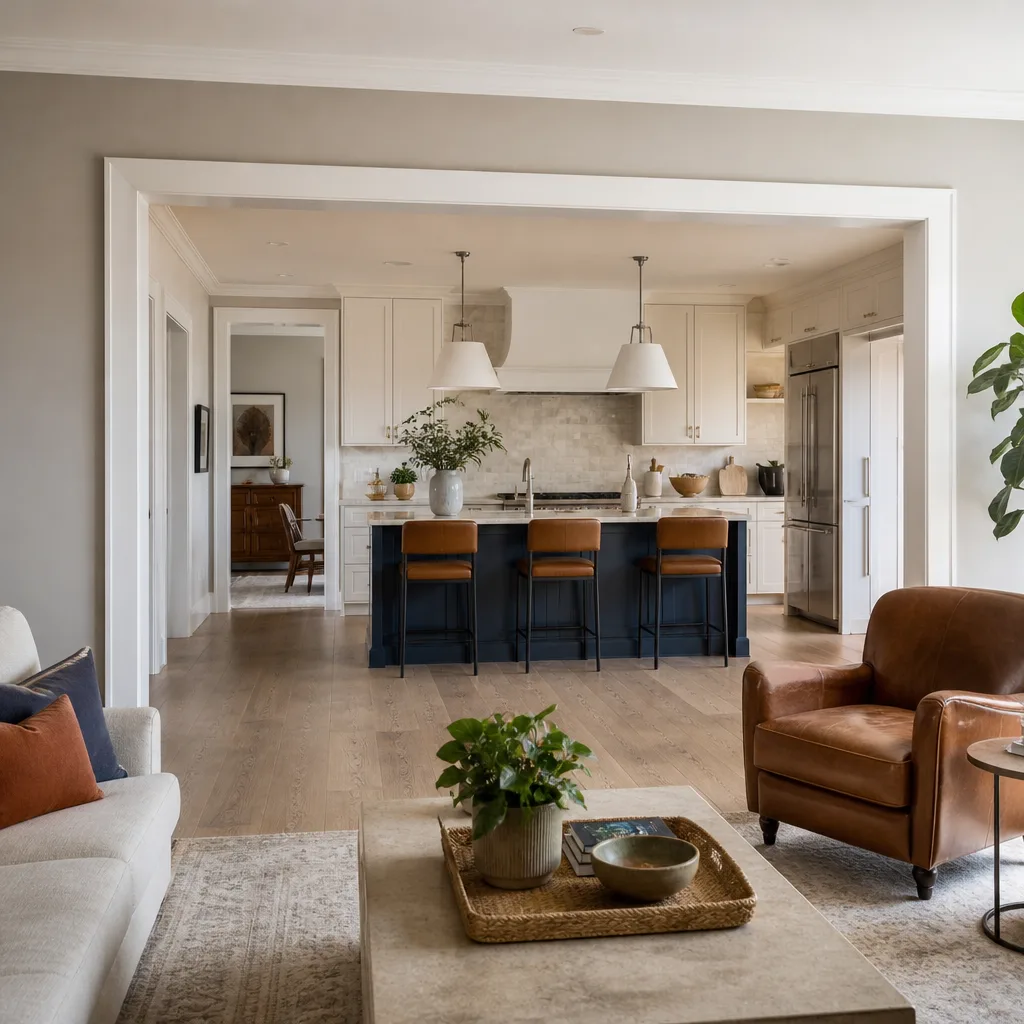
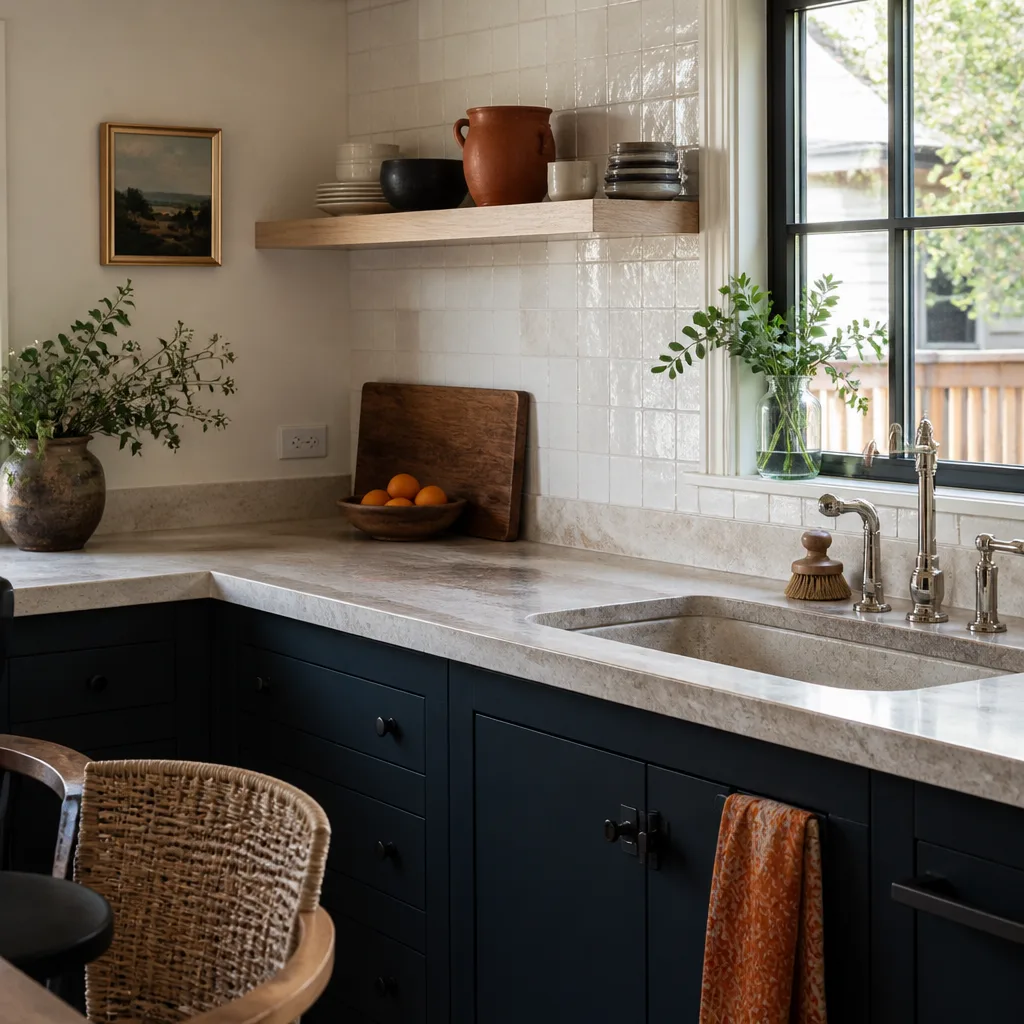
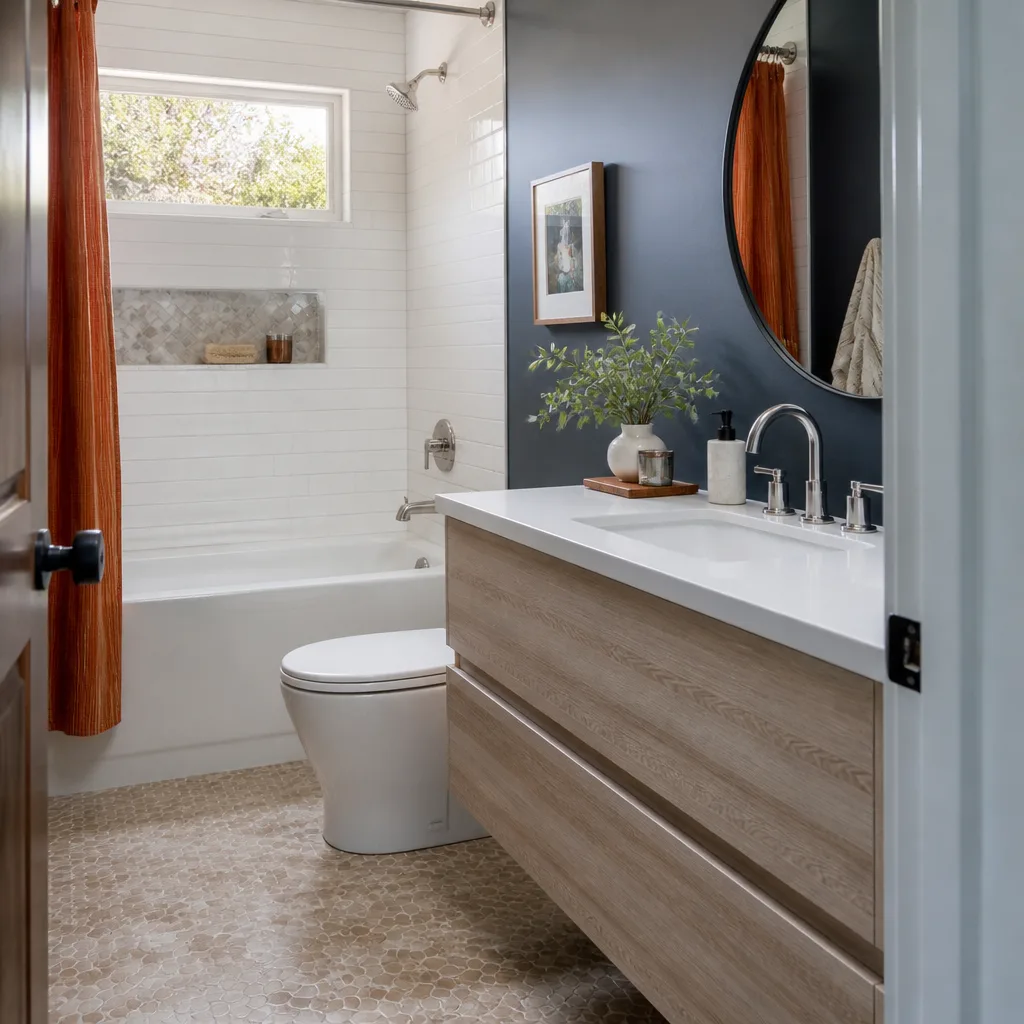
Free written scope consultation - allowances, timeline, and change-order rules on paper before a single trade is scheduled
Construction Cost Breakdown: The Kent Homeowner’s Reference for 2026
The Kent homeowner who budgeted $65,000 for a kitchen remodel based on a 2023 Houzz article is now looking at $82,000 to $94,000 for the same scope. Not because contractors raised their margins overnight, but because Cambria slab pricing, cabinet lead times, and King County permit fees have all moved since that article was written. The number you saved in a spreadsheet two winters ago is no longer a number you can build with. This reference breaks down what Kent remodels actually cost in 2026, line by line, and shows you how to read a bid so you can tell the difference between a padded estimate and one that reflects current material and labor reality.
Quick Answer
Home remodeling in Kent in 2026 typically runs $180 to $320 per square foot for full-scope work, with a mid-range kitchen landing between $82,000 and $94,000, a primary bathroom between $38,000 and $58,000, and a finished basement between $45,000 and $75,000. Those figures include labor, materials, and the permit fraction. The written estimate from your contractor sets the final price, and any budget built on 2022 or 2023 benchmarks should be re-costed before you sign.
Styles & brands we work with
- Kitchen remodeling
- Bathroom remodeling
- Home additions & ADU
- Roofing
- Windows & doors
- Driveway & pavers
- Fence
Table of Contents
- The Three Pressures Driving Kent Remodel Costs in 2026
- Line-Item Cost Ranges by Project Type in Kent
- How Tariff Impacts Are Absorbed Differently
- The Real Cost of KraftMaid and Cambria Versus Builder-Grade
- What Contingency Percentage Is Realistic in 2026
- How to Read a Contractor’s Bid Structure
- Permits, Inspections, and the Timeline Variable
- Common Mistakes to Avoid
The Three Pressures Driving Kent Remodel Costs in 2026
Three intersecting pressures explain most of what has moved in the Kent market since 2023. First, post-tariff material pricing. Appliances, tile, and plumbing fixtures sourced through import channels have carried tariff-driven increases that compound along the supply chain, so a Kohler faucet or a pallet of imported porcelain tile lands at a higher number than it did two years ago. Second, a compressed local labor pool. The Puget Sound trades market has stayed tight, and crews with genuine finish-level skill are booked out well in advance. Third, permit fee increases in King County, where valuation-based fees have climbed alongside project values.
What that means in practice is that a homeowner budget built on 2023 numbers underestimates every one of the three cost categories at once. The material line is higher, the labor line is higher, and the permit line is higher. It is the compounding that catches people, not any single line. A project that was tight in 2023 becomes a project that stalls in 2026, usually halfway through, when the cabinet order goes in and the number that comes back is not the number that was quoted a year earlier.
Kent’s housing stock adds its own pressure. Much of the city’s inventory sits in housing built decades ago, where a “simple” kitchen refresh turns into a scope question once the old flooring comes up or a wall is opened. In our experience, the older neighborhoods around downtown Kent and the East Hill consistently produce more unforeseen structural and mechanical work than a bidder can see on a walkthrough. That is one reason a realistic contingency line matters more here than it would in a newer subdivision. If your project spans more than one room, our home remodeling work starts with exactly that conversation: what the house is likely to reveal before the budget gets locked.
Line-Item Cost Ranges by Project Type in Kent
Here are the typical 2026 ranges for Kent’s four most common remodel types, broken into labor, materials, and the permit fraction. Every figure is an estimate, and the written estimate sets the final price.
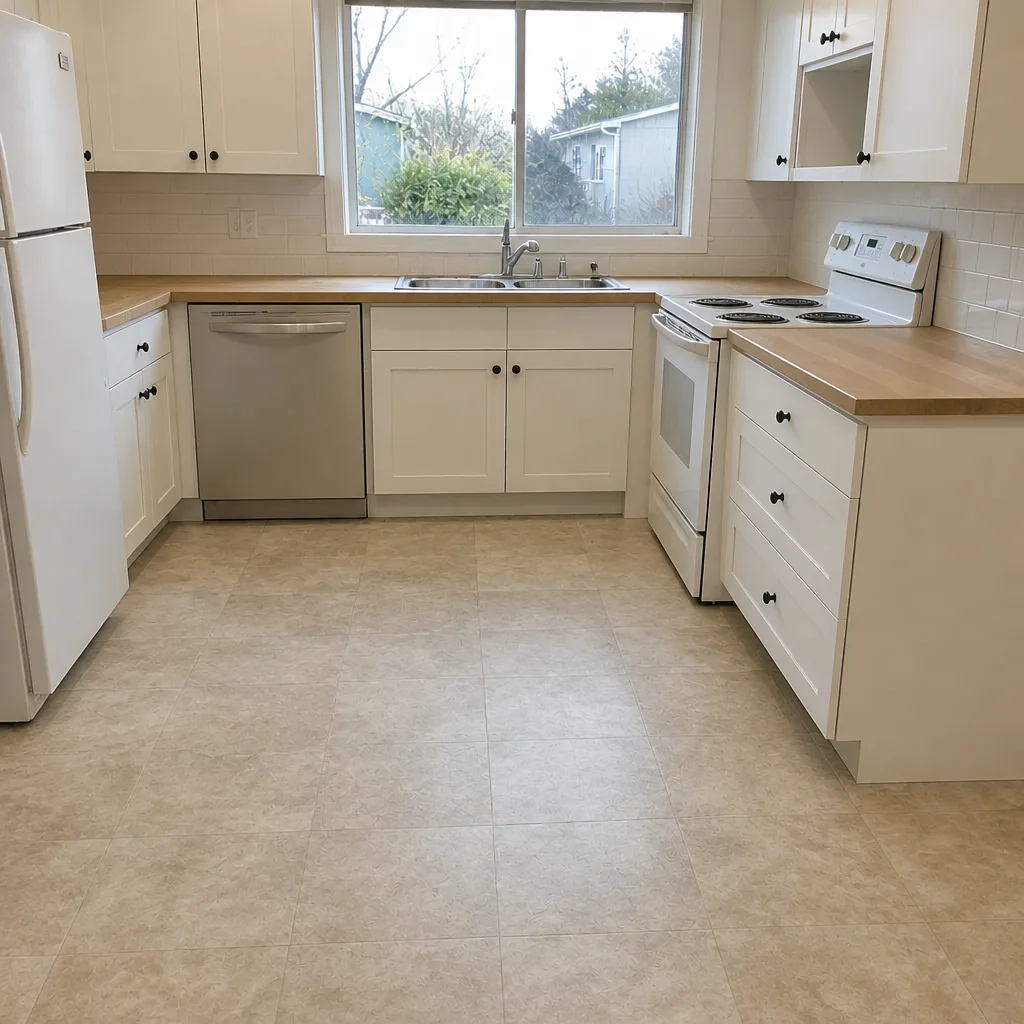
Kitchen Remodel (Mid-Range, Roughly 200 Square Feet)
- Labor (demo, carpentry, electrical rough-in, plumbing rough-in, tile, finish): $28,000 to $34,000
- Materials (cabinetry, quartz, appliances, fixtures, tile, flooring, paint): $48,000 to $54,000
- Permit fraction (King County and City of Kent, valuation-based): $2,500 to $4,000
- Typical total: $82,000 to $94,000
Primary Bath Remodel (Roughly 60 to 80 Square Feet)
- Labor (demo, waterproofing, plumbing, tile setting, finish): $15,000 to $21,000
- Materials (vanity, countertop, tile, shower door, fixtures, lighting): $20,000 to $33,000
- Permit fraction: $1,500 to $2,500
- Typical total: $38,000 to $58,000
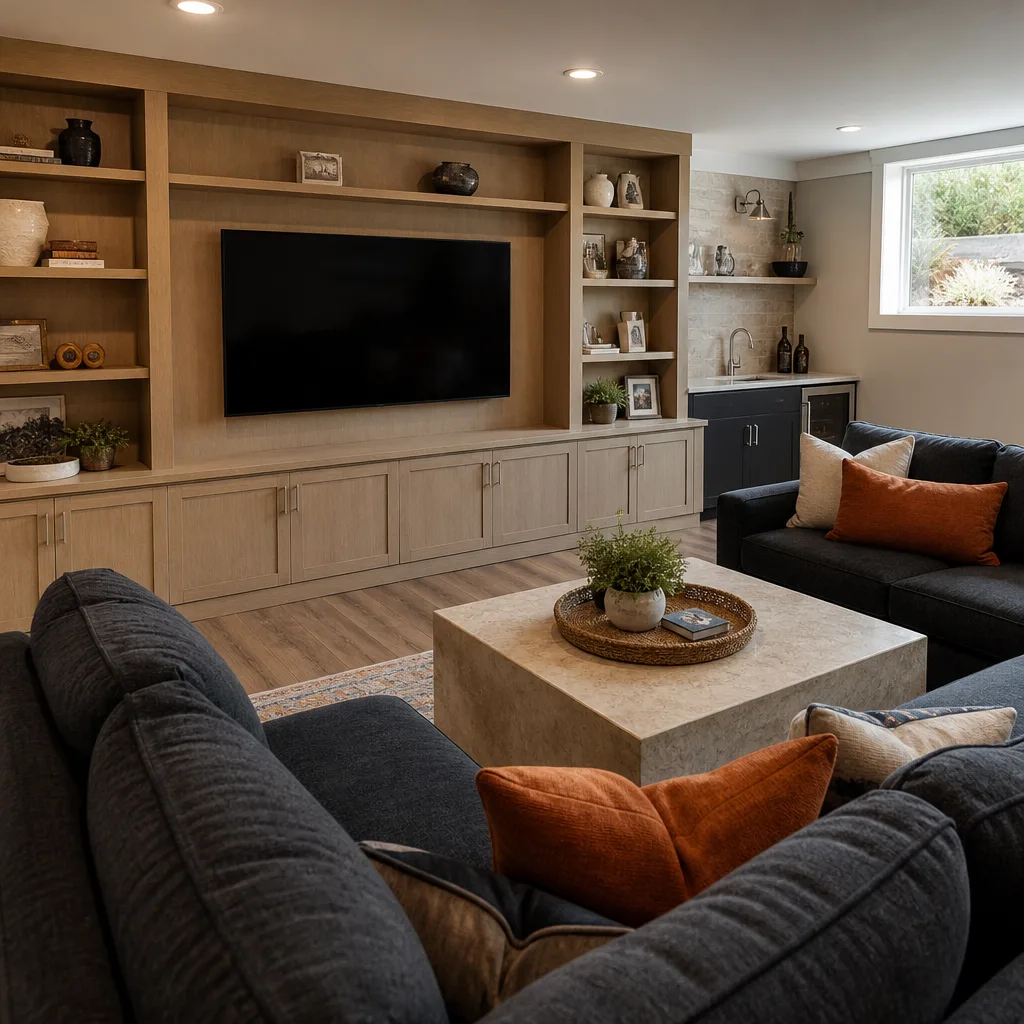
Basement Finish (Roughly 600 Square Feet)
- Labor (framing, electrical, insulation, drywall, flooring, paint): $22,000 to $34,000
- Materials (framing lumber, insulation, drywall, flooring, doors, trim, paint): $18,000 to $30,000
- Permit fraction: $2,000 to $3,500
- Typical total: $45,000 to $75,000
Addition (Roughly 400 Square Feet, Single Story)
- Labor (foundation, framing, roofing, electrical, plumbing, HVAC, siding, finish): $95,000 to $130,000
- Materials (lumber, foundation materials, James Hardie siding, roofing, windows, finishes): $75,000 to $105,000
- Permit fraction: $5,000 to $9,000
- Typical total: $175,000 to $240,000
Additions sit at the top of the range for one plain reason: they touch every trade at once. A kitchen or bath remodel lives inside a weathertight envelope. An addition breaks the envelope open, and then has to close it back correctly before the winter rain returns. That sequencing is where Kent’s climate makes itself known. Framing that goes up in October has to be dried in fast, and the schedule has to leave room for the wet months.
How Tariff Impacts Are Absorbed Differently by Full-Scope Contractors
The homeowner who sources their own appliances and tile during a remodel absorbs tariff increases on their own timeline, at retail, with no pricing buffer. A full-scope contractor absorbs them differently: purchasing happens on a schedule, in bulk where possible, and any pricing movement is visible at the point of order rather than discovered at the register. That difference is the quiet reason a single contractor often costs less than the sum of self-managed trades, even when the sticker price looks higher.
Here is how the difference plays out in practice:
- Ordering window. A full-scope contractor places cabinet and fixture orders early in the schedule, which locks pricing before further movements land.
- Consolidated purchasing. Fixtures, surfaces, and tile sourced through one relationship come in on fewer freight charges and with fewer shipping surprises.
- Substitution fluency. When a specified item moves in price, we can offer a comparable alternative from the same or a sister brand line rather than letting the line item balloon.
- Accountability. If a product arrives damaged or short, the contractor handles the replacement. The homeowner sourcing their own materials handles that call themselves, at the worst possible moment in the schedule.
On a kitchen, the tariff-exposed lines are appliances, tile, and plumbing fixtures. On a bathroom, it’s largely tile and fixtures. The paint and drywall lines move much less. A bid that reflects 2026 reality will show realistic ranges on the tariff-exposed lines rather than a single blended “allowance” that hides the exposure. When we quote a kitchen remodeling project, appliances and tile are called out as separate lines precisely so the homeowner sees where the market risk sits.
The Real Cost of KraftMaid and Cambria Versus Builder-Grade
Brand-name cabinetry and quartz carry a real premium, and it pays back in some places and not in others. The honest breakdown, in our experience.
Where the KraftMaid Premium Pays Back
- Cabinet boxes and joinery that hold doors and drawers aligned. Builder-grade cabinets are the first thing to sag and drift in a kitchen that gets daily use, and they are the most expensive thing to replace because the countertop has to come off to do it.
- Finish durability in a wet climate. Kent’s humidity cycle stresses cabinet finishes. A genuine factory finish from a line like KraftMaid or Wellborn resists the swelling that shows up on low-grade boxes.
- Door and drawer options that fit the actual layout. The right interior fittings are a substantial part of whether a kitchen works, and builder-grade lines offer a shallow menu.
Where the Cambria Premium Pays Back
- Slab consistency. Cambria quartz carries a manufacturer-backed finish and color consistency, which matters when the countertop has to visually tie across an island, a perimeter, and a backsplash.
- Stain and etch resistance. Quartz surfaces from Cambria, Silestone, or Caesarstone resist the everyday staining that natural stone demands sealing to prevent.
- Warranty transfer on installation. When a recognized surface is installed to manufacturer spec, the finished work qualifies for the warranty the brand carries.
Where the Premium Does Not Pay Back
A basement bar or a laundry counter does not need a premium slab. A guest bathroom used four times a year does not need a designer cabinet line. A rental unit does not need KraftMaid. The premium pays back where the surface is used daily and seen daily. Everywhere else, a well-chosen mid-tier product is the correct answer, and a good contractor will tell you so rather than sell up.
What Contingency Percentage Is Realistic in 2026
For Kent remodels in 2026, a realistic contingency is 15 to 20 percent of total project cost, held by the homeowner and released only for genuinely unforeseen conditions. That is up from the 10 percent that was standard advice a decade ago. The reason is not pessimism. It is the combined variability of the material market and the inspection timeline.
Break the number down and it makes sense:
- 5 to 8 percent for latent conditions. The things a walkthrough cannot see: subfloor damage, out-of-plumb framing, old wiring or plumbing that fails inspection.
- 5 to 7 percent for material timing and pricing. Lead times on cabins, windows, or specialty tile can force a scheduling change, and a scheduling change is a cost change.
- 3 to 5 percent for inspection timing. When a project waits on a rough-in inspection, the trades downstream have to re-sequence, and re-sequencing costs money.
The contingency belongs to the homeowner, not the contractor. That’s an important distinction. A contractor’s bid should reflect genuine 2026 pricing in the line items, not hide a cushion in a vague “miscellaneous” charge. The homeowner’s contingency sits above that, untouched, and absorbs surprises that neither party could have anticipated. When the contingency is spent, we sit down and talk through the remaining scope before another dollar is committed.
How to Read a Contractor’s Bid Structure
A bid tells you where scope is padded versus where it reflects real 2026 material and labor reality. Read for these signals:
- Itemized lines for the tariff-exposed categories. Appliances, tile, and fixtures should appear as distinct lines. A single blended “materials” lump is a place a bidder hides both padding and surprise exposure.
- Allowances that are realistic. A $3,000 allowance for kitchen appliances in 2026 is a placeholder, not a number you can build with. It will be adjusted up at the moment of purchase.
- Permit handling stated explicitly. The bid should say whether the contractor pulls the permit and whether the fee is included or passed through. A bid that is silent on permits is a bid that will grow.
- Labor lines that reflect the actual scope. If labor is listed as one blended figure with no breakdown by trade, ask for the breakdown. It’s the fastest way to see whether the number is real.
- Finish-level details in writing. Cabinet brand, countertop manufacturer, fixture brand, tile spec, paint brand and finish. Specificity is the signature of a bid that was actually costed.
- Change order process in writing. How a change gets priced, approved, and documented. Fixed pricing with a clear change order process is worth more than a low number with a loose one.
A clean, well-structured bid is more than paperwork. It’s the first deliverable in the project. Our approach is one contractor, every finish, from the first fixture choice to the final coat of paint, and a bid is the point where that single-source accountability either exists or doesn’t. If your project will require pulling permits and coordinating inspections, see our Remodeling Kent overview of how entire-scope projects are structured.
Permits, Inspections, and the Timeline Variable
Kent projects requiring structural, electrical, plumbing, or mechanical work need a permit, and most cities require a permit for this kind of scope, so ask the City of Kent building department directly about your project. Permit fees in King County are valuation-based, which means the fee moves with the project cost. The timing variable is separate from the fee: inspection scheduling sits between trades, and a slip in one inspection pushes the trades downstream of it.
Two habits keep timeline risk manageable:
- Get the permit before the crew mobilizes. Material stored on site waiting for a permit is a schedule leak and a security question. Permits pulled ahead of demo avoid both.
- Book inspection dates the day rough-in is complete. The gap between rough-in and inspection is the most common place a Kent project loses a week.
We pull the permits and coordinate the inspections on the projects we run, because that sequencing is a core part of the job. The contractor who quotes low and quietly skips the permit step is not saving you money. They are moving cost into your future, when it comes time to sell the house or when a rough-in fails inspection later.
Common Mistakes to Avoid
- Budgeting on 2023 benchmarks. The 2023 number you saw in a Houzz article no longer reflects 2026 material or labor pricing in Kent. Re-cost the project with current numbers before you commit.
- Sourcing your own materials to “save money.” The tariff exposure and the freight charges land on you, and any damaged product means a schedule restart you handle alone.
- Skipping contingency. A 10 percent contingency on a Kent remodel with unexpected conditions is a contingency that will be spent before rough-in is finished. Carry 15 to 20 percent.
- Reading one bid in isolation. A single number tells you nothing. The bid structure, the itemization, and the permit handling are what reveal whether the number is real.
- Choosing a contractor on price alone. The lowest bid is almost always a disguised allowance list. The cost of that choice shows up at the first change order.
- Deferring paint to the end of the schedule. Finish work lags when paint is bolted on late by a different sub. Keep it in the same scope as the structural and fixture work.
- Ignoring the older-housing factor in Kent. In older neighborhoods, latent conditions are not an edge case. They are a routine part of the budget, and a bidder who doesn’t ask about them hasn’t looked closely enough.
See the difference
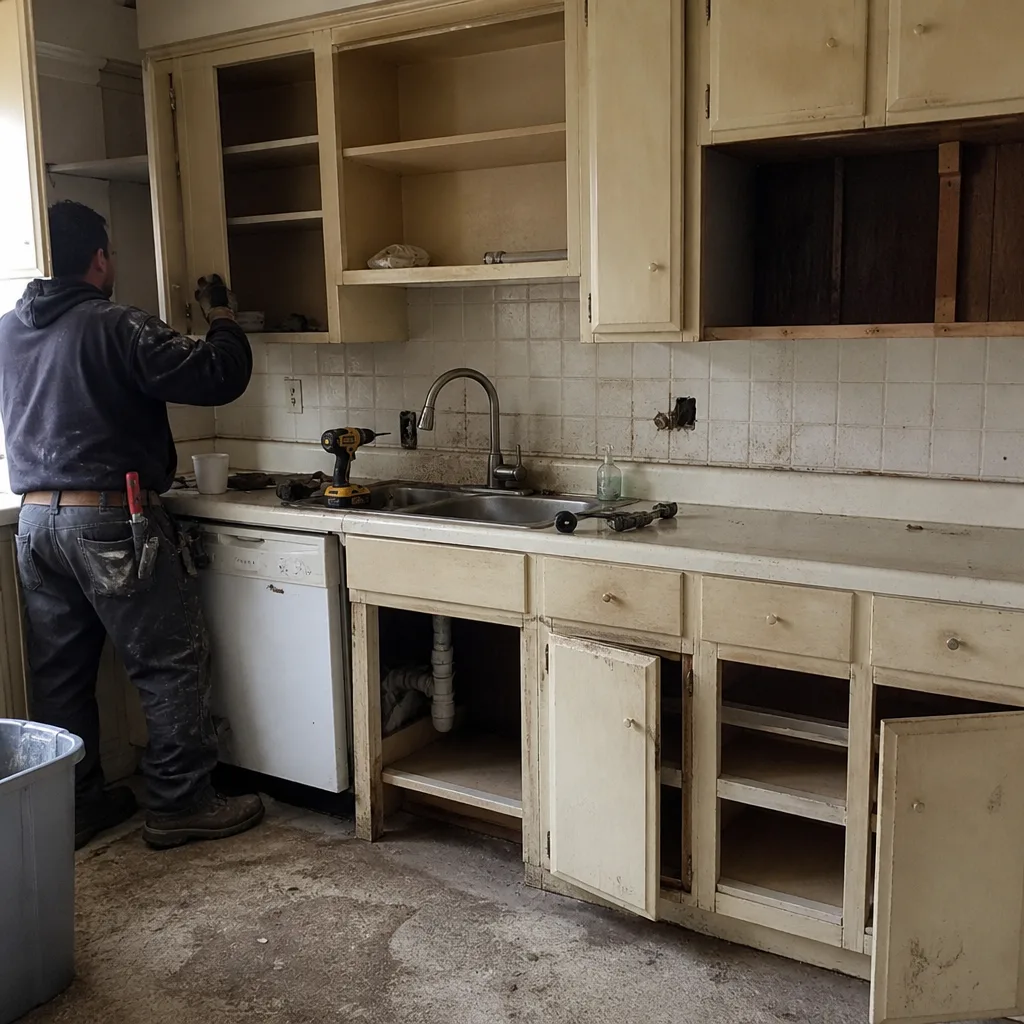 Before
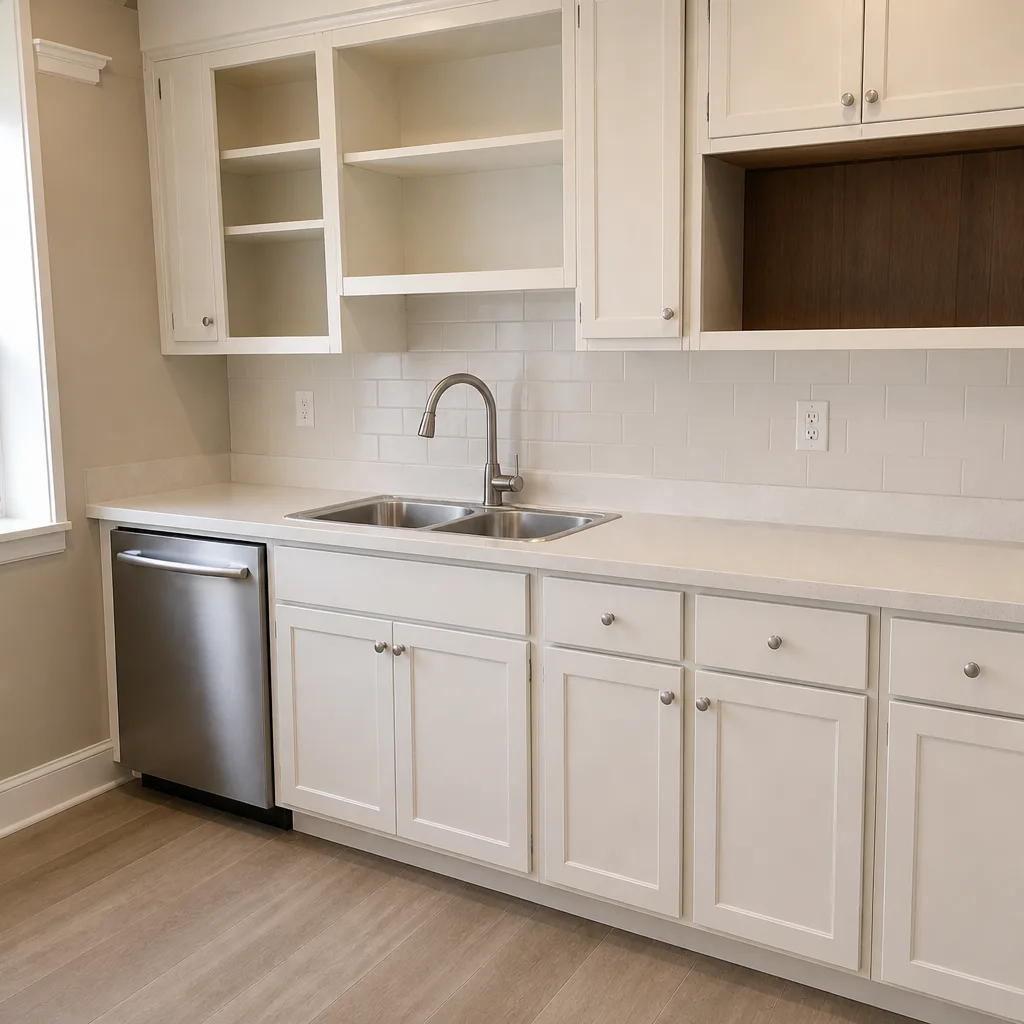 After
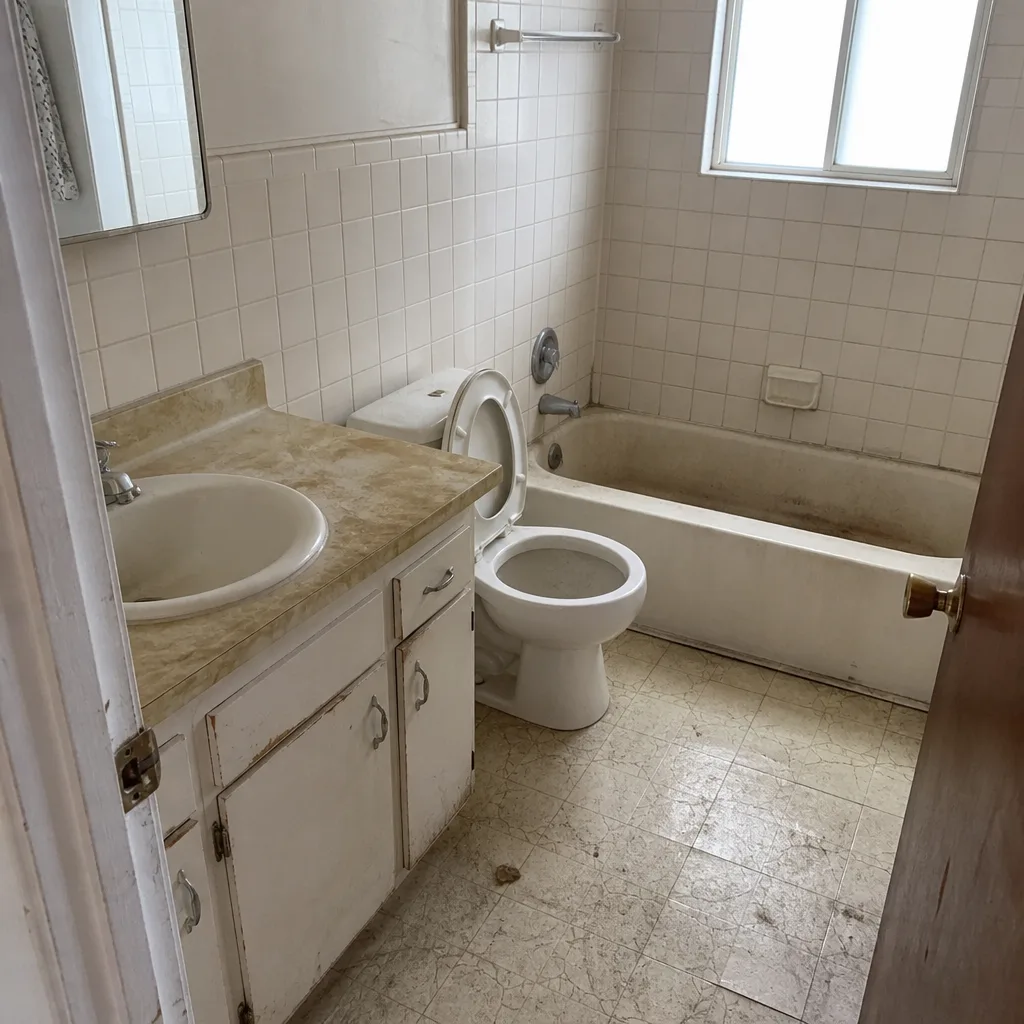 Before
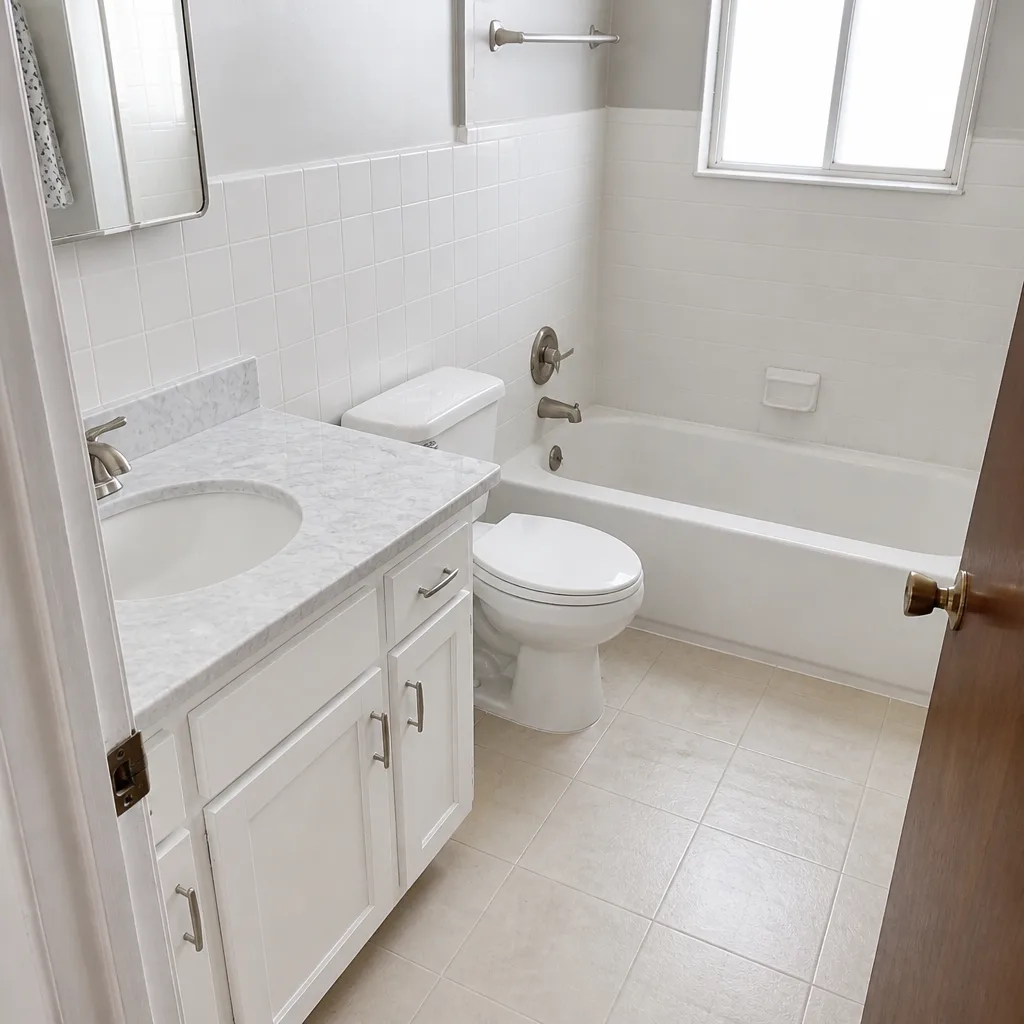 After
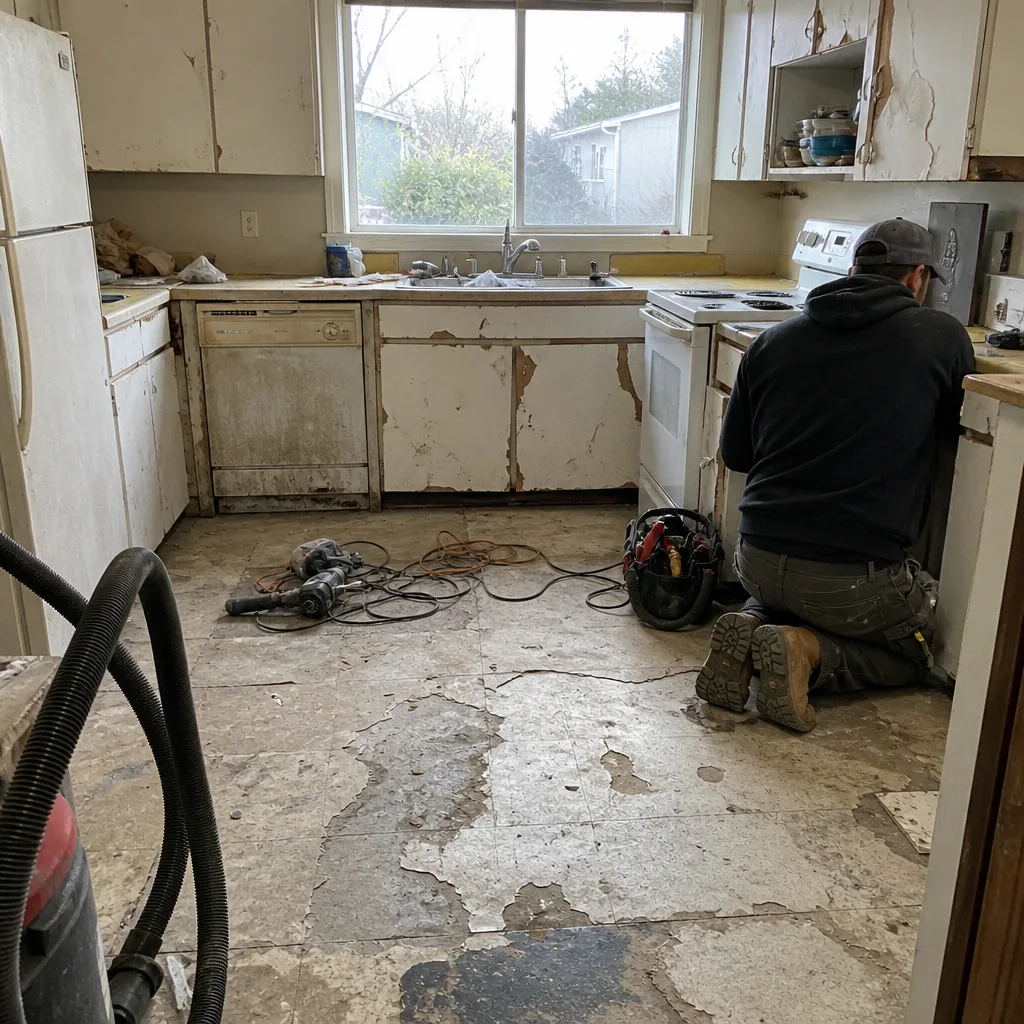 Before
 After
When to Call a Professional
Call a professional when the project touches structure, electrical, plumbing, mechanical, or a change to the building envelope. Call when the scope crosses more than one trade, because a combined cabinet order and countertop templating have to be sequenced correctly. Call when you have a budget and want a real bid that reflects 2026 material pricing rather than a 2023 number with a “TBD” attached. Call before you buy materials yourself, so the material choices sit inside the scope, not outside it. Remodeling Kent offers free estimates in Kent. Call (253) 216-8339 to schedule yours. We answer 24/7. Fast dispatch from 7am to 7pm, Sunday through Friday.
If the scope is centered on a bathroom rather than a full interior, our bathroom remodeling work carries the same structure: an itemized bid, the permit pulled, and the fixtures sourced from named brands. Our technicians have up to 15 years of experience, and we work with the brands our clients already trust: KraftMaid and Wellborn for cabinetry, Cambria and Silestone for quartz surfaces, and Kohler, Moen, Grohe, Delta, Toto, Blanco, and American Standard for fixtures.
Frequently Asked Questions
A full-scope home remodel in Kent in 2026 typically costs $180 to $320 per square foot, including labor, materials, and the permit fraction. A kitchen lands between $82,000 and $94,000, a primary bathroom between $38,000 and $58,000, and a finished basement between $45,000 and $75,000. The written estimate sets the final price. Call (253) 216-8339 for an exact quote, the estimate is free.
Only if you approve a change order, and only for conditions that could not be seen at the walkthrough. A well-structured bid is fixed pricing on the scope in writing. Latent conditions like subfloor damage or old wiring that fails inspection are the usual reason a project moves, and those get priced and approved before any work continues. Call (253) 216-8339 for a written bid you can hold contractors to.
Yes, when we run the project the permit is pulled in the contractor’s name, and the inspections are coordinated alongside the schedule. The permit fee is a valuation-based line in the bid. Kent projects that touch structure, electrical, plumbing, or mechanical need a permit, so ask the City of Kent building department about your specific scope. Call (253) 216-8339 and we’ll walk you through what a permit will require for your project.
A kitchen remodel usually runs 8 to 12 weeks, a primary bathroom 5 to 8 weeks, a basement finish 6 to 10 weeks, and an addition 5 to 8 months. Those timelines assume permits are pulled before mobilization and materials are ordered early in the schedule. The written schedule from your contractor sets the actual dates. Call (253) 216-8339 and we’ll talk through the realistic timeline for your scope.
Because post-tariff material pricing, a compressed local labor pool, and King County permit fee increases have all moved in the same direction. Cabinet lead times have lengthened, imported tile and fixtures carry tariff-driven increases, and valuation-based permit fees have climbed alongside project values. It’s the compounding of all three, not any single one, that makes the 2026 number higher. Call (253) 216-8339 for a bid that reflects current Kent market reality.
Usually not. The homeowner absorbs the tariff exposure at retail, carries the freight charges separately, handles any damaged or short deliveries themselves, and owns the schedule risk if a product arrives late. A full-scope contractor orders on a schedule, consolidates purchasing, and carries the accountability for product replacement. Call (253) 216-8339 to talk through what sourcing your own materials would actually save on your scope.
The Bottom Line
Kent remodeling costs in 2026 land where three pressures intersect: post-tariff material pricing, a tight local labor pool, and higher King County permit fees. The homeowner who budgets on 2023 benchmarks will be caught out mid-project. The homeowner who budgets on the 2026 line items above, holds a 15 to 20 percent contingency, and reads the bid for itemization and permit handling, gets to the finish line on schedule. Brand choice carries real weight in that process. KraftMaid and Cambria pay back where the surface is used and seen daily, and don’t where it isn’t. Our technicians have up to 15 years of experience, and our work with recognized brand partners like James Hardie and Schluter is installed to manufacturer spec so it holds up as long as the brands behind it. Call (253) 216-8339 for a free estimate. We answer 24/7. Fast dispatch from 7am to 7pm, Sunday through Friday.
Written by the team at Remodeling Kent.