Last updated November 25, 2026





Free written scope consultation - allowances, timeline, and change-order rules on paper before a single trade is scheduled
DIY vs Professional Construction: The Kent Homeowner’s Decision Guide
Most homeowners in Kent frame this decision as a skill question: am I handy enough to do this myself? That’s the wrong question. The real dividing line is permit exposure. In Washington State, electrical and structural work done by a homeowner without the right permits doesn’t just risk a failed inspection. It becomes a mandatory disclosure item at resale, and a buyers’ inspector in King County is trained to spot exactly the kind of work that never went through the city. That single fact reshapes which projects are worth doing yourself and which ones hand a future problem to your buyer. In this guide we’ll walk through where the owner-builder exemption legally applies in Kent, where licensed trades are mandatory no matter how capable you are, where DIY genuinely saves money, and how a hybrid structure can cut cost without creating liability that follows the home.
Quick Answer
In Kent, DIY construction is legally permissible for cosmetic, non-structural, non-electrical, non-plumbing work under Washington’s owner-builder exemption, but any work requiring a permit – electrical, plumbing, structural changes, new circuits, wall moves – must be done or signed off by licensed trades. Unpermitted work is a disclosure item at resale and a target for King County buyers’ inspectors, so the smart money goes to professional help on permit-required scope and DIY only on demo, painting, and finish work on existing substrates.
Styles & brands we work with
- Kitchen remodeling
- Bathroom remodeling
- Home additions & ADU
- Roofing
- Windows & doors
- Driveway & pavers
- Fence
Table of Contents
- What Washington’s Owner-Builder Exemption Actually Allows in Kent
- How Resale Disclosure Turns Amateur Work Into a Sale-Killer
- Where DIY Genuinely Saves Money on a Kent Remodel
- Where DIY Creates Rework That Costs More Than Professional Rates
- The Material Access Gap: Trade Pricing vs Retail Markup
- How to Structure a Hybrid Project the Right Way
- Which Project Categories Belong to Whom: A Kent Cheat Sheet
- How to Judge a Kent Contractor Before You Hand Over the Scope
What Washington’s Owner-Builder Exemption Actually Allows in Kent
Washington’s owner-builder exemption lets a homeowner pull permits and do work on their own primary residence, but it does not mean “anything goes.” The exemption applies to the homeowner personally – not to a friend, not to a hired hand paid under the table, not to time-and-materials help from a neighbor. The moment you pay someone to work under your owner-builder permit, that arrangement is generally outside what the exemption covers, and a Kent inspector can flag it.
The practical breakdown for a typical Kent home:
- No permit, generally fine: interior painting, patching drywall, replacing a light fixture like-for-like, installing a floating shelf, replacing a faucet on an existing rough-in in many cases.
- Permit required, and generally limited to the homeowner’s own residence: finishing a basement, moving a non-load-bearing wall, adding a bathroom, replacing a water heater, converting a garage.
- Licensed trade required regardless of skill: new electrical circuits, panel work, gas line work, replacing certain plumbing lines, structural framing and anything that touches the load path.
Where it gets tricky in Kent is the overlap. A homeowner can legally pull an electrical permit as their own electrical contractor in Washington, but the electrical work itself still needs to meet code and pass inspection. And a Kent flip scenario shifts everything: the owner-builder exemption only covers a primary residence, not a property you’re fixing to sell. That means a homeowner planning to move within a year or two needs to think about liability even on projects that would otherwise feel like easy DIY.
When in doubt, ask the City of Kent’s permit desk a direct question about your specific project. A 15-minute phone call to the building department costs nothing. A permit that never got pulled can cost you a buyer.
How Resale Disclosure Turns Amateur Work Into a Sale-Killer
Washington is a disclosure state. When you sell a home in Kent, you complete a Seller Disclosure Statement that asks explicitly about permits, unpermitted work, water intrusion, and known defects. There’s no box to check for “I did it myself but it looks fine.” You’re answering whether work was permitted, and a signed disclosure is a contract document a buyer can act on later.
What that means in practice:
- The disclosure is the paper trail. If you tell the buyer structural work was unpermitted, that fact is now on record and can justify a price reduction request at negotiation.
- King County buyers’ inspectors are trained to spot it. They read framing spacing, look for the absence of nail plates on stud penetrations, check for bond and ground continuity at devices, and notice drywall seams that don’t match the rest of a room. Unpermitted basement finishes and self-installed bathroom remodels in Kent are common targets.
- Failed inspection creates the larger cost. A homeowner who did their own rough electrical and passed it can stop worrying. A homeowner who self-ran a bathroom circuit and failed inspection later has to open the wall, correct the run, and re-inspect – and that’s the smaller bill compared to a renegotiated sale price.
- Your homeowner’s insurance may look at it too. A fire traced to unpermitted electrical work that was never inspected can affect a claim. That risk isn’t hypothetical for anyone reading this.
Professional construction in Kent isn’t just about nicer results – it’s about the permit trail, the inspection sign-off, and the warranty that carries through to the next owner. We work with the brands you already trust because those product warranties only activate when installed to manufacturer specification.
Where DIY Genuinely Saves Money on a Kent Remodel
DIY does save real money on a Kent remodel – just not where most homeowners assume. The savings live in labor categories that don’t touch a permit, don’t require a specialty tool investment, and don’t fail inspection if you get it 90% right.
In our experience, the highest-value homeowner labor on a Kent project looks like this:
- Demo. Pulling cabinets, tearing out old flooring, removing a tired vanity, and hauling debris. Demo is physical work, not skilled work, and it’s a real line item. Just be sure you know what’s behind the wall before you swing.
- Interior painting. Prep, prime, two coats, cut lines. Painting is the single most forgiving DIY category in a remodel – mistakes are fixable with a sander and another coat. Interior and exterior painting integrated into a larger remodel is something we handle as part of full scope, but the DIY savings on a painted room are real if you’re willing to invest the time.
- Tile backsplash on existing substrate. Installing a backsplash over sound, existing drywall or cement board – without moving outlets or changing the substrate – is a weekend project for a careful homeowner. Moving outlets is electrical and shifts into permit territory.
- Landscaping and cleanup. Not construction, but it’s the labor homeowners most often pay for because they don’t want to do it.
The line to be clear on: DIY savings scale with how non-structural and non-mechanical the task is. Demo, paint, and finish work on existing substrates. Those are the categories where the homeowner’s labor pencil out. Anything else, we’d ask the question before picking up a tool: what happens at the next inspection?
Where DIY Creates Rework That Costs More Than Professional Rates
The DIY categories that go sideways are consistent. We’ve seen the same four recurring problem areas across Kent projects, and every one of them turns a “saving” into more money spent than a professional would have ever charged.
Tile over an unprepared substrate. A homeowner sets tile directly over old vinyl or plywood without a membrane, and six months later the grout cracks and the tile starts to lift. Removing set tile, correcting the substrate, and re-installing is more expensive than the original installation would have been – especially on a wet-area floor tile where water intrusion creates a bigger problem. This is exactly why our Schluter installation matters: the tile system is specified for moisture, movement, and load, and the manufacturer’s warranty on those products only activates when installed to spec.
Self-installed plumbing on finish fixtures. Replacing a shower valve used to be a “swap and go” until the wrong rough-in depth creates a leak behind tile. Kohler, Grohe, and Moen each specify their own rough-in depths and compatibility – misreading that spec is a tile tear-out. When a Kohler or Grohe valve is installed to manufacturer spec, the fixture warranty survives; when it isn’t, you’re on your own.
Electrical in wet locations. GFCI protection, box fill calculations, and dedicated circuits for bathroom plugs are code items a homeowner can get wrong – and they’re the exact category King County buyers’ inspectors spot.
Cabinet installation. A shimmed cabinet run out of level is invisible until the doors bind and the countertop doesn’t sit flush. By the time you notice, you’re into re-hanging, re-leveling, and possibly a re-cut on the counter. KraftMaid and Wellborn cabinetry are specified with their own installation tolerances for a reason.
The Material Access Gap: Trade Pricing vs Retail Markup
The DIY vs professional math changes once you look at what the material actually costs to buy at retail. A homeowner sourcing KraftMaid cabinetry, Cambria quartz, or a Kohler and Grohe fixture package independently is buying at retail markup. A full-scope contractor is not. That gap can erase a meaningful chunk of the labor savings of DIY, especially on the big-ticket categories.
The categories where material access matters most:
- Cabinetry. KraftMaid and Wellborn are two of the most specified cabinet brands in professional remodeling. Sourcing them individually means retail pricing and less flexibility on the door style and configuration options the way a contractor working through their lines can offer.
- Quartz countertops. Cambria, Silestone, and Caesarstone source through fabricator channels. A homeowner buying a slab may end up paying retail for a product the installer price includes.
- Plumbing fixtures. Kohler, Grohe, Toto, Blanco, American Standard, Moen, Delta – each brand has specification documents that decide rough-in, trim, and warranty compliance. Selecting a fixture from a retail shelf without matching the rough-in to it is the most common source of rework on a bath project.
- Exterior materials. James Hardie fiber cement installation follows a specific nailing pattern, clearance, and flashing sequence to keep the manufacturer warranty valid. The material is available at retail; the installation standard is what keeps the warranty in effect.
We’re deliberate about naming brands because homeowners recognize them, and the specification that accompanies those brands is what a full-scope contractor is best positioned to execute. The right material for your space, not just what’s available. That’s the difference between a kitchen that looks right on day one and a kitchen that holds up as long as the brands behind it.
How to Structure a Hybrid Project the Right Way
The hybrid approach is the smartest cost structure for most Kent homeowners who want to do meaningful work themselves without creating resale disclosure problems. The idea is straightforward: the homeowner handles prep and finish labor; the contractor handles the structural, mechanical, and permit-required scope. When the split is drawn correctly, you save on labor cost and keep the permit trail and warranty intact.
A clean hybrid sequence looks like this:
- Step 1 – Contractor scopes the permit scope. Before demo begins, we walk the project, identify what needs a permit, and pull the permits on the mechanical and structural work. Nothing gets opened up before this is done.
- Step 2 – Homeowner does demo and debris removal. Cabinets come down, flooring gets torn out, old fixtures come off the wall. The homeowner’s labor on demo saves the largest single DIY category with the least risk.
- Step 3 – Contractor handles rough electrical, plumbing, and structural. Rough-in is where the permit lives. This is where professional scope matters most – licensed trades, inspection, sign-off.
- Step 4 – Contractor installs cabinetry, surfaces, and finish fixtures to spec. The finish fixture install is what makes the product warranty stick. Kohler, Grohe, and Cambria warranties are manufacturer warranties, and they’re conditioned on installation to specification.
- Step 5 – Homeowner handles interior painting. Once the dust settles and the mechanical is signed off, the homeowner can take the paint brush. Interior and exterior painting integrated into a full remodel is a service we handle, but for a hybrid client who wants to save on this line item, it’s the labor most worth keeping.
One contractor, every finish, drawn on the right side of the split. That’s the way the math works for a Kent homeowner who’s willing to put in time but not willing to put their resale disclosure at risk.
Which Project Categories Belong to Whom: A Kent Cheat Sheet
A quick reference for the common Kent renovation categories. The default split below is our general recommendation – every home has unique factors, but this is the starting point:
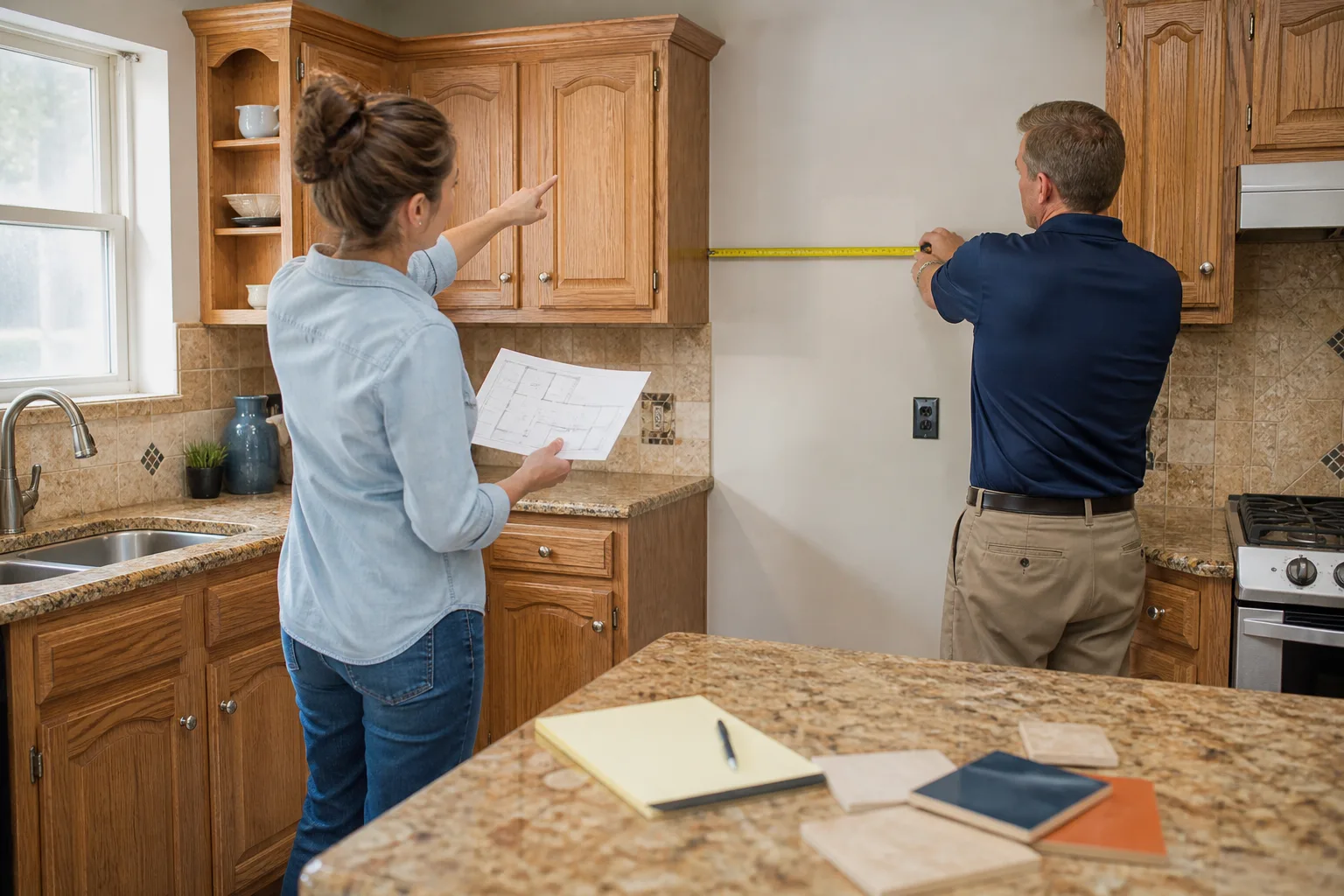
- Kitchen remodel: professional for layout, cabinet install, countertop, plumbing, electrical. DIY for demo and paint. kitchen remodeling done well requires the cabinet and countertop brands to install to spec, and the permit trail to cover the electrical and plumbing.
- Bathroom remodel: professional for the whole mechanical and tile scope. DIY for demo only. Bath rough-in, wet-area tile, and valve depth are the three categories where a homeowner’s mistake shows up late and costs the most. bathroom remodeling is the single worst category to DIY end-to-end.
- Flooring installation: professional for tile, hardwood, and any flooring that requires prep or leveling. DIY for luxury vinyl plank on a level subfloor. Flooring is one of the better DIY categories but the substrate is not.
- Interior and exterior painting: largely DIY-capable for an interior room; professional on a whole-house or exterior with height and prep needs.
- Full home remodel: professional throughout, including the painting, because scheduling across trades is where projects stall. home remodeling done in phases makes the sequencing mistakes expensive.
Across all of it, the rule of thumb: what fails inspection belongs to a professional. What fails cosmetically belongs to whoever is willing to redo it.
How to Judge a Kent Contractor Before You Hand Over the Scope
The other half of the DIY vs professional question is contractor selection. A bad contractor is a worse outcome than careful DIY. Here’s how we’d want a Kent homeowner to judge anyone – including us – before signing.
- Ask what the permit scope is. A contractor who can name the permits the project will need is a contractor who’s actually pulled permits before. The answer should be specific to your project, not generalized.
- Ask to see a line-item written estimate. Line items, not a lump sum. Line items are what protect you from a mid-project change order.
- Ask which brands they install to spec. A contractor who names KraftMaid, Cambria, Kohler, and James Hardie is a contractor whose finish scope is grounded in manufacturer warranty terms.
- Ask about workmanship warranty. Written, not verbal.
- Ask how they handle painting and flooring alongside the main scope. A single point of contact from material selection through the final coat is the difference between a project that finishes and a project that stalls in a trade handoff.
Our technicians have up to 15 years of experience, and the local pro is licensed and insured as their state requires. Estimates are free and written line-item so the final price is set on paper before any work starts – no change orders, no scope drift.
Common Mistakes to Avoid
- Pulling an owner-builder permit, then paying someone to work under it. That combination is generally outside the exemption and can jeopardize the permit’s validity. If you’re hiring help, hire them properly licensed for their portion.
- Tiling over an existing floor without checking substrate. In Kent’s older housing stock, levels, moisture, and deflection vary enough that a “quick tile job” over vinyl fails. Set the substrate right or plan for a tear-out.
- Selecting fixtures without matching the rough-in. A Kohler or Grohe shower valve selected for its look, installed into a rough-in that doesn’t match, is a tile tear-out. Match rough-in first, finish second.
- Skipping the permit on a basement finish. Basement finishes are the most commonly unpermitted work we see in Kent. They’re also the most commonly flagged at resale.
- DIY-ing the exterior paint on a two-story house. Height, prep, and fascia repair turn this from a weekend project into a genuine fall risk. Painting can be done by the homeowner on single-story, manageable surfaces – two-story is a different job.
- Buying cabinets from a retail showroom without checking installation tolerance. The doors bind, the counter doesn’t sit flat, and you find out after the counter is cut.
- Starting demo before the permit scope is identified. Once the wall is open, you lose the ability to ask the inspector what they’re looking for before you’ve committed.
See the difference
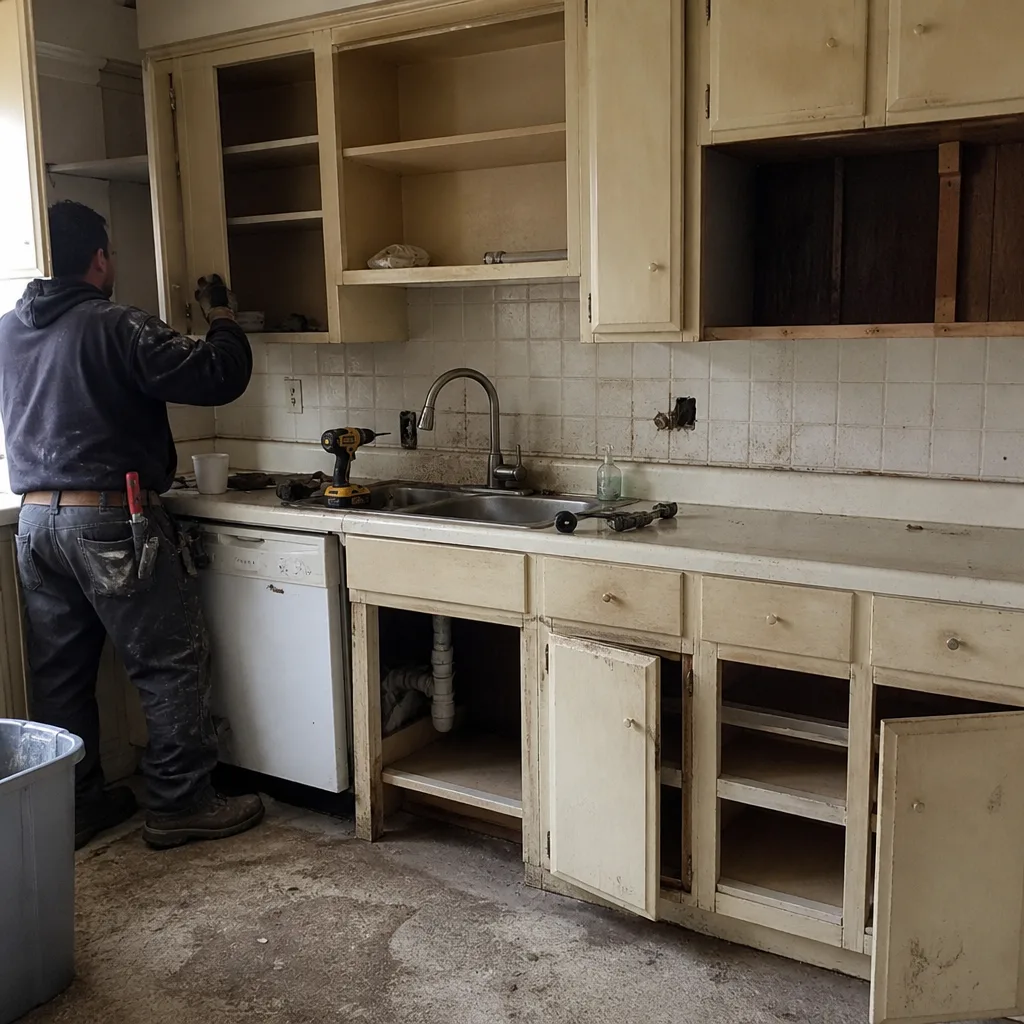 Before
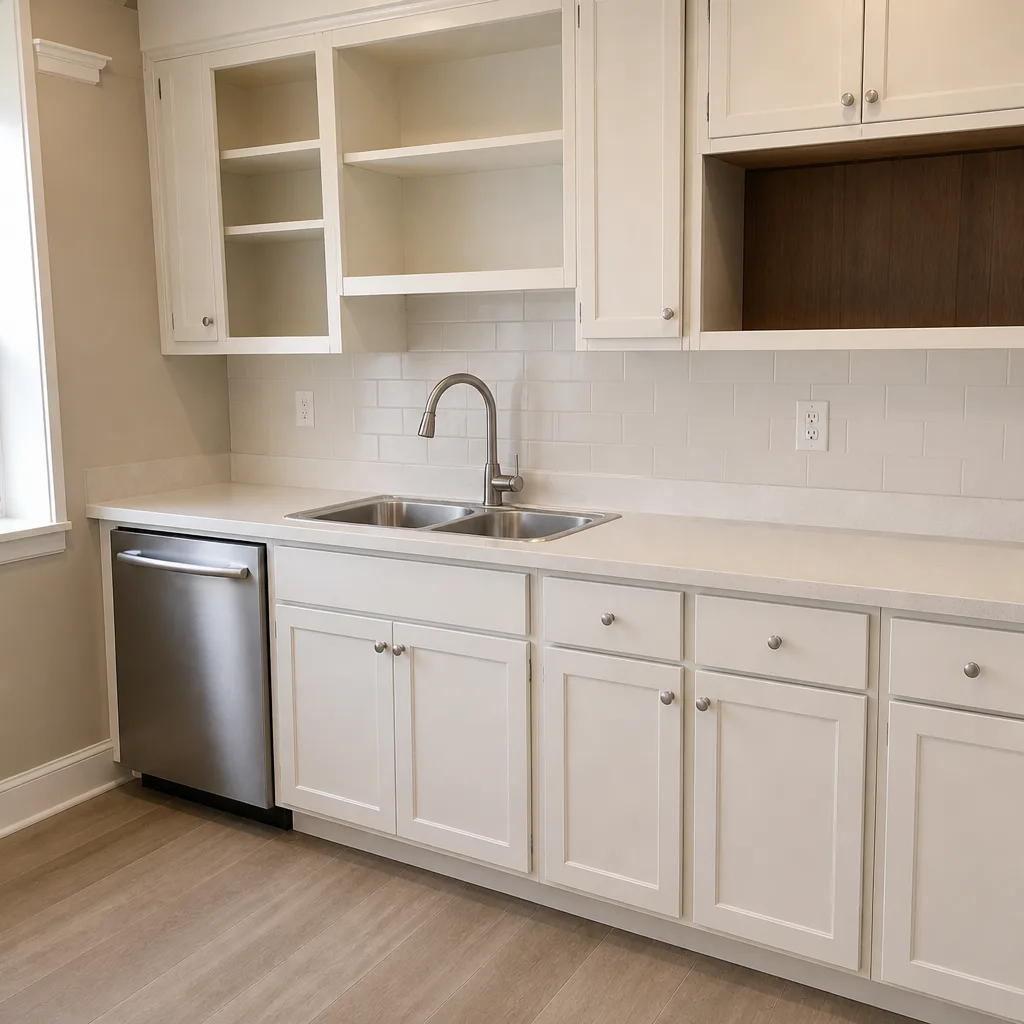 After
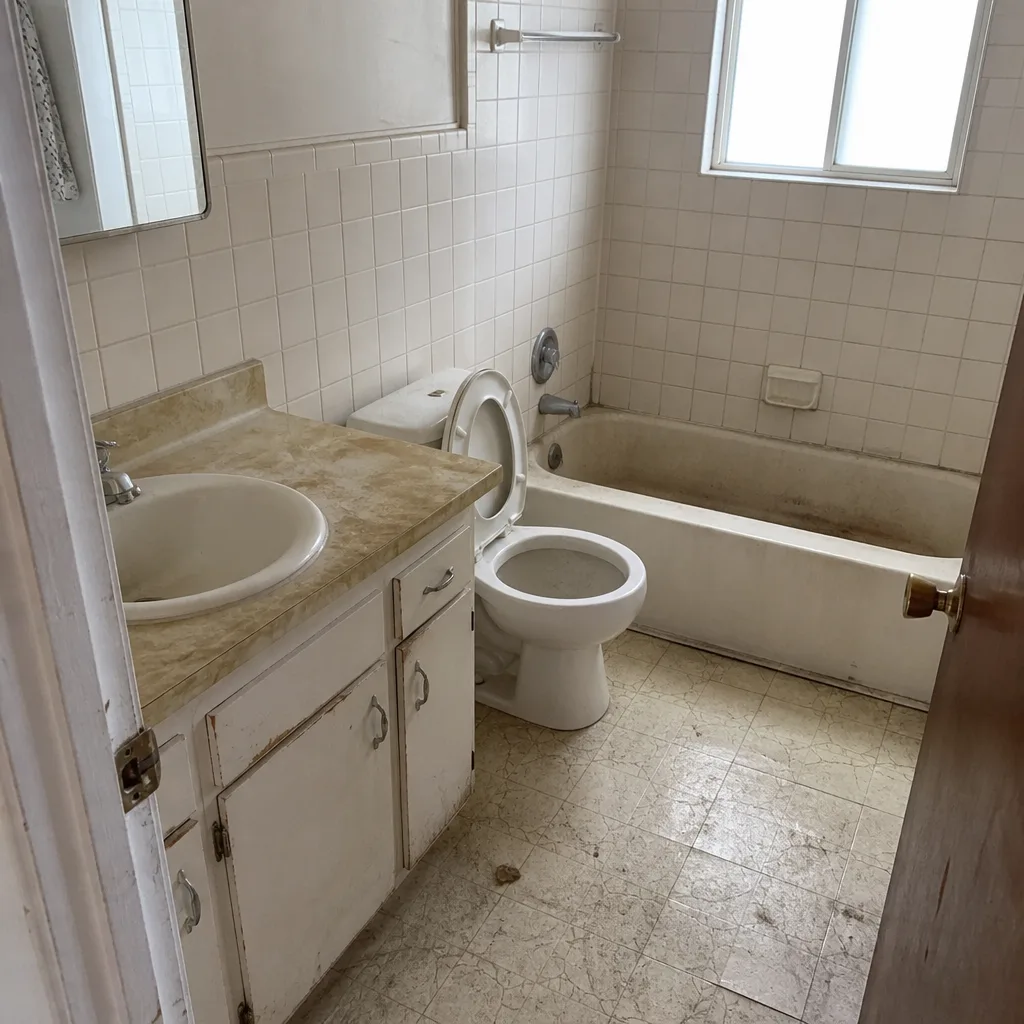 Before
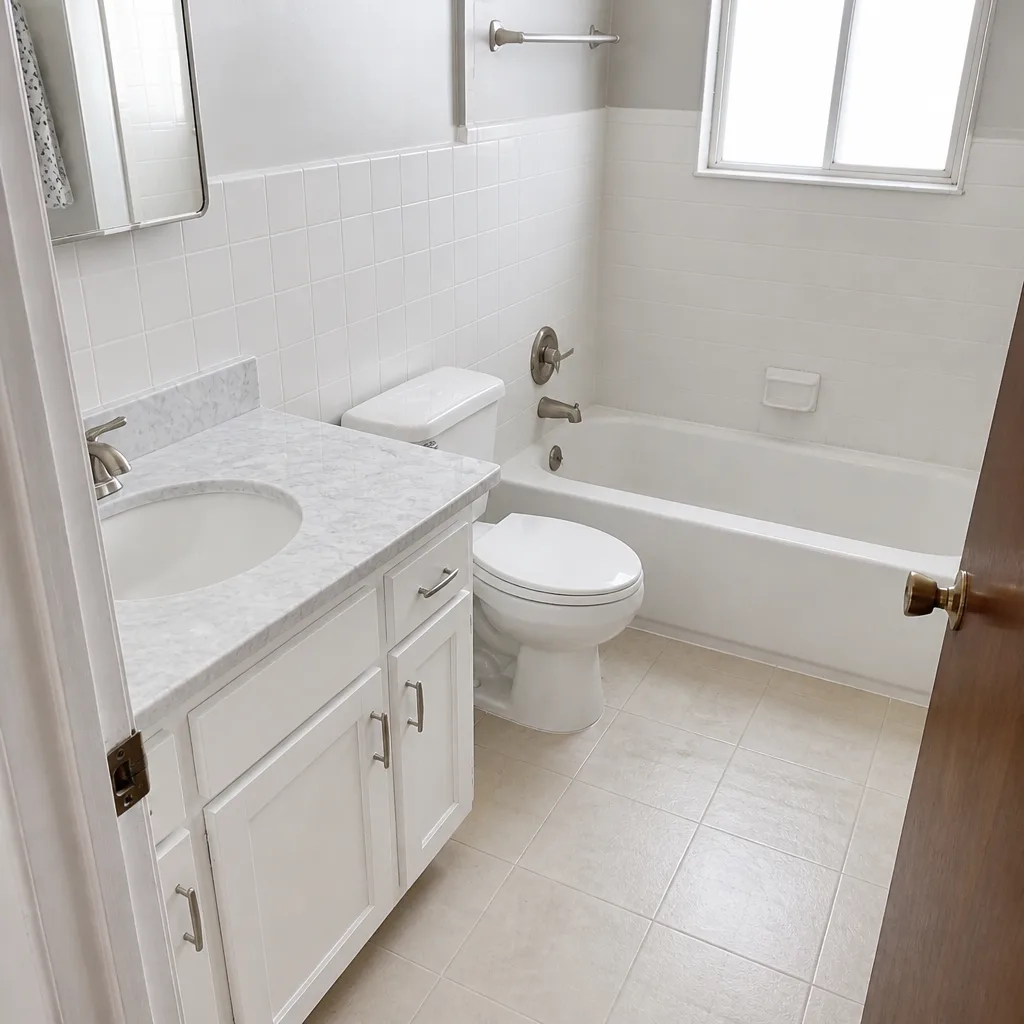 After
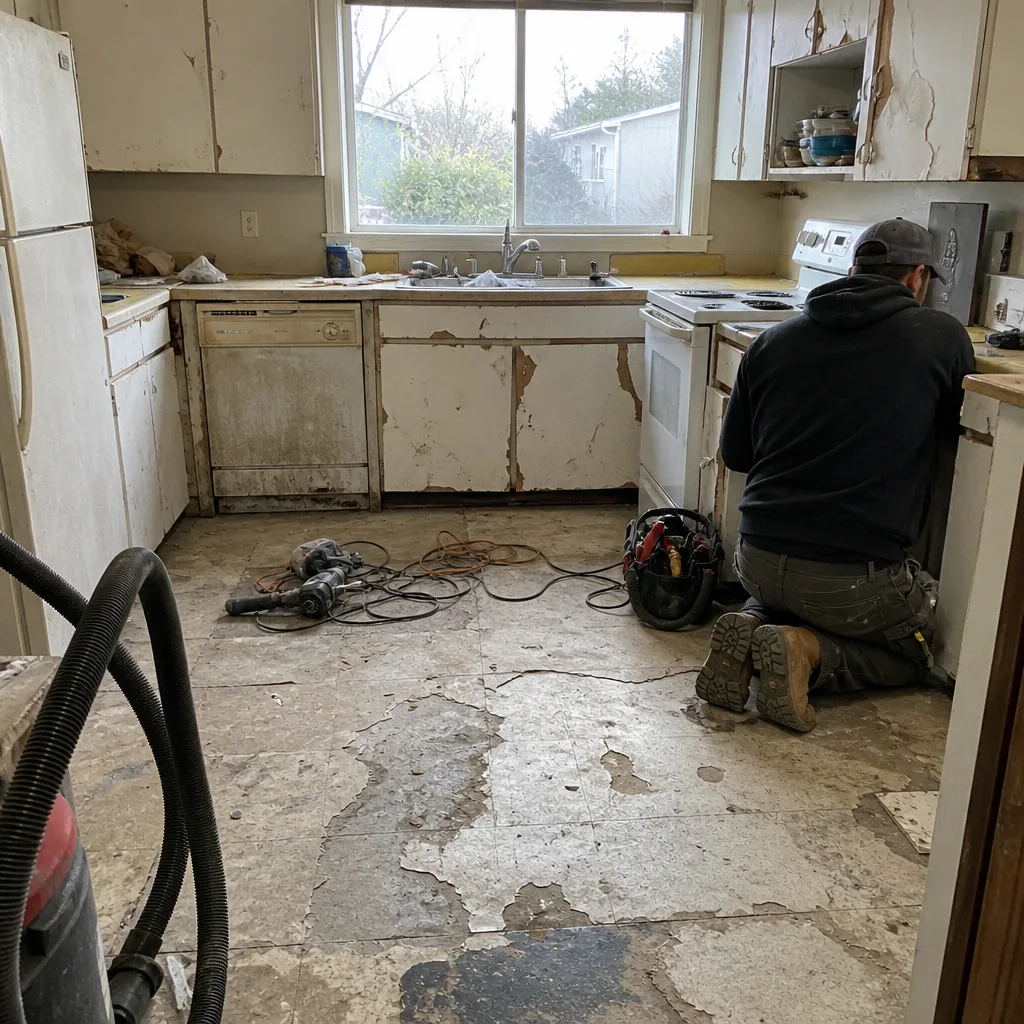 Before
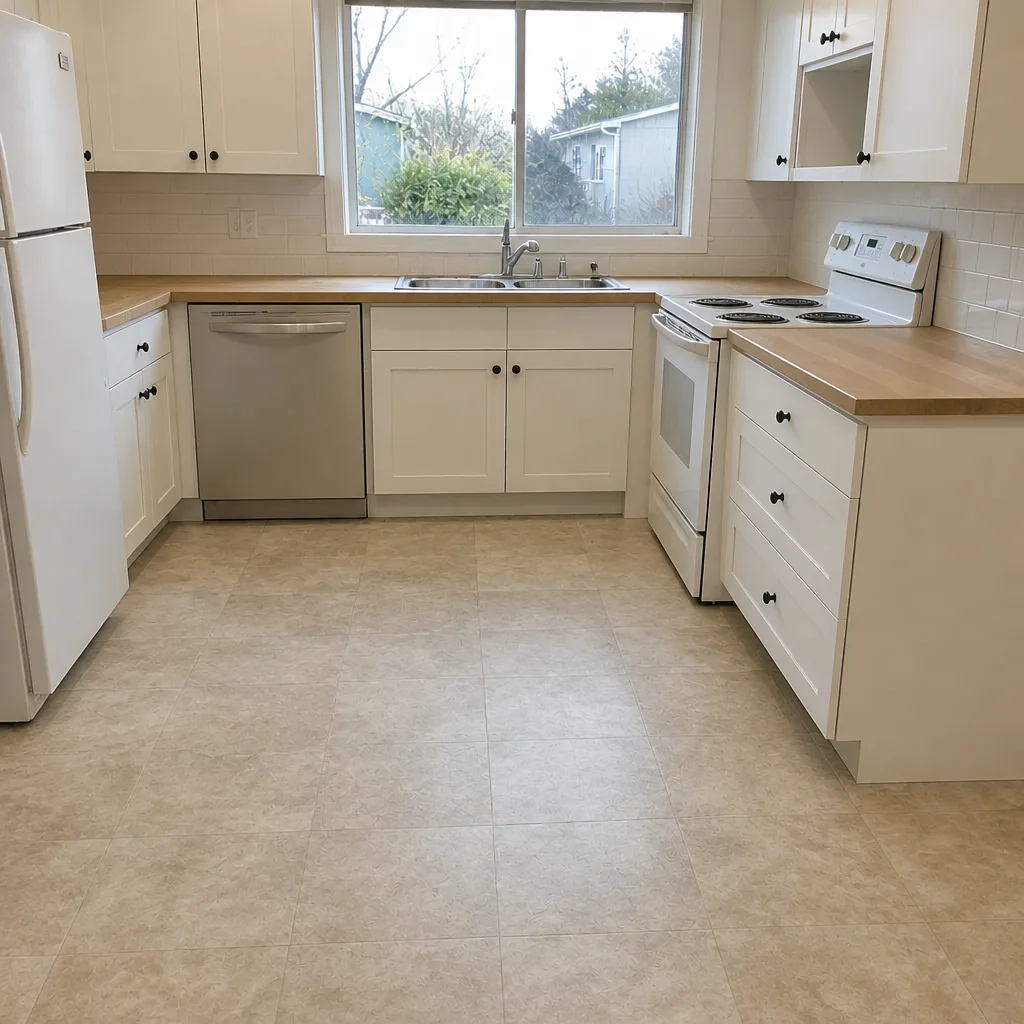 After
When to Call a Professional
Call a professional when the work touches a permit, a licensed trade, a wet area, or a structural element. That means any electrical circuit, any plumbing line, any wall move, any tile over a shower or floor, any cabinet install that pairs with a countertop, and any basement or bath remodel that inspects. There’s no shame in adding professional scope to a DIY project the moment it steps over one of those lines – the professional scope is what keeps the resale disclosure clean, keeps the warranty active, and keeps the project out of the rework cycle. Remodeling Kent offers free estimates in Kent – call (253) 216-8339 to schedule yours. We answer 24/7. Fast dispatch from 7am to 7pm, Sunday through Friday.
Frequently Asked Questions

Cosmetic work such as interior painting, patching drywall, and installing a light fixture like-for-like generally doesn’t require a permit. Anything electrical, plumbing, structural, or that changes a room’s use does – and unpermitted work becomes a resale disclosure item. When in doubt, ask the City of Kent’s permit desk before you start, and call (253) 216-8339 for a free professional scope check if you want a second opinion.
Yes. Washington’s Seller Disclosure Statement asks whether work was permitted and about any known unpermitted work, and a signed disclosure is a contract document. A buyer’s inspector for a Kent home is trained to identify work that never went through the city. If you’re unsure how much exposure you have, calling us for a free walkthrough is a reasonable starting point – estimates are free.
Demo, interior painting, and tile backsplash over sound existing substrates save the most. These are the categories that don’t touch a permit and are correctable if they go wrong. The labor saved on demo alone can be a meaningful line item in a kitchen remodel, especially once you add debris removal. Call (253) 216-8339 to talk through which parts of your project are safe to keep in DIY scope and which aren’t.
Generally no – the material access gap favors the contractor on the big-ticket categories. A full-scope contractor sources cabinetry, quartz surfaces, and plumbing fixtures through trade channels rather than retail markup, and often has more configuration flexibility. That offsets much of the DIY labor savings on any project with substantial cabinetry or surface scope. Call (253) 216-8339 for a free line-item estimate on the materials in your project.
The cleanest hybrid split is: contractor handles permit-required and mechanical scope plus installation of specification-sensitive products; homeowner handles demo and interior paint. The exact split depends on your project – call (253) 216-8339 and we’ll walk through it. Estimates are free and written line-item.
The written line-item estimate sets the final price. Change orders only happen if the scope changes at the homeowner’s request or if pre-existing conditions behind the wall were not visible at estimate – and both are documented before we proceed. Estimates are free. Call (253) 216-8339 to schedule yours. We answer 24/7. Fast dispatch from 7am to 7pm, Sunday through Friday.
The Bottom Line
The DIY vs professional question in Kent comes down to permit exposure, not skill. DIY is a smarter financial choice for demo, interior paint, and finish work on existing substrates; it’s a worse choice the moment electrical, plumbing, structural, or wet-area tile enters the scope – not because a homeowner can’t do the work, but because unpermitted work becomes a resale disclosure item that can cost more than the original project. The material access gap on KraftMaid, Cambria, and Kohler also closes a meaningful chunk of the DIY labor savings. A hybrid project – homeowner on demo and paint, professional on permit and mechanical scope – protects the disclosure trail, keeps product warranties active, and still puts a real dent in the labor cost. For a Kent homeowner who wants to do the work and keep the value intact, that’s the structure we’d recommend.
Call (253) 216-8339 for a free estimate. We answer 24/7. Fast dispatch from 7am to 7pm, Sunday through Friday. One contractor, every finish – from the first fixture choice to the final coat of paint. Explore Remodeling Kent if you’d like to see the full scope we handle under one roof.
Written by the team at Remodeling Kent.